Choose Teide or Timanfaya for volcanic scenery, Ordesa y Monte Perdido or Picos de Europa for dramatic mountain landscapes, and Doñana or Cabrera for wetlands, coast, and marine settings.
The best choice depends less on finding one “top” park and more on matching scenery, transport, walking ability, and the time you have. Spain has 16 national parks across the mainland, the Balearic Islands, and the Canary Islands, so a nature-focused stop can fit many different itineraries.
A rental car can add flexibility in remote areas, while a guided nature tour may simplify transport, access planning, and local logistics. Before booking an eco-lodge, hiking holiday, or island excursion, check current park rules and seasonal conditions.
Entry arrangements, transport, trail access, and guided activity availability can change.
At a Glance
- For volcanoes: Teide on Tenerife and Timanfaya on Lanzarote offer landscapes shaped by volcanic activity.
- For mountains: Ordesa y Monte Perdido, Picos de Europa, and Sierra de Guadarrama suit travelers looking for valleys, waterfalls, or highland scenery.
- For water and wildlife habitats: Doñana and Cabrera are strong choices for wetlands, dunes, coastal habitats, islands, and marine surroundings.
| Travel priority | Park options to shortlist | Planning question | Likely booking need |
|---|---|---|---|
| Volcanic landscapes | Teide, Timanfaya, Caldera de Taburiente | Will you rely on island transport or drive? | Check tours, access arrangements, and accommodation area |
| Mountain scenery and hiking | Ordesa y Monte Perdido, Picos de Europa, Sierra Nevada, Sierra de Guadarrama | Does your route match your hiking experience and mobility? | Check trail conditions, transport, and hiking gear needs |
| Wetlands, forests, and coast | Doñana, Monfragüe, Garajonay, Cabrera, Atlantic Islands | Are seasonal restrictions or wildlife-viewing rules in place? | Compare guided excursions and nearby stays |
Which Spanish National Park Fits Your Travel Style?
Start with the landscape you want to remember, then test whether the park works with your route, mobility, and available time. A volcanic island day can feel very different from a multi-day mountain itinerary or a wetland-focused visit. Scenery first, logistics second is the simplest way to build a realistic shortlist.
Quick Picks for Volcanoes, Mountains, Wetlands, Islands, and Scenic Road Trips
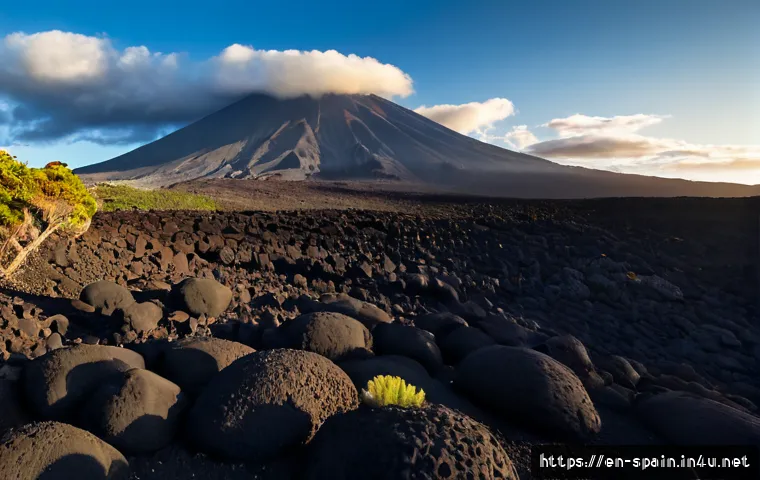
Teide National Park is the clear starting point for travelers drawn to volcanic terrain and Mount Teide, Spain’s highest peak. Timanfaya is another volcanic option, with terrain shaped by historic eruptions. For major valleys, waterfalls, and high mountain views, consider Ordesa y Monte Perdido in the Pyrenees. Picos de Europa spans Asturias, Cantabria, and Castile and León, making it relevant for travelers building a northern Spain route. Doñana fits an Andalusian itinerary centered on wetlands, dunes, and coastal habitats, while Cabrera suits a Mallorca stay focused on protected island and marine scenery.
Three Planning Factors to Decide Before Choosing a Park
First, decide whether you want a short scenic visit or an outdoor-centered stay. Second, consider your transport: a car hire option may be useful when entrances, accommodation, and viewpoints are spread out, but a guided excursion can reduce route planning. Third, assess conditions honestly. Heat, snow, wind, altitude, uneven trails, and limited services can affect the day more than the distance shown on a map.
Compare Landscapes, Access, and Trip Value
There is no single best park for every visitor. The best value comes from choosing a landscape that fits your itinerary instead of forcing a long transfer for a park that needs more time, equipment, or planning than you can give it.
Volcanic Parks: Teide, Timanfaya, and Caldera de Taburiente
Teide and Timanfaya are the most direct choices when volcanic scenery is your priority. Teide is on Tenerife and is known for its volcanic terrain and Mount Teide. Timanfaya is on Lanzarote and is characterized by landscapes formed by historic eruptions. Caldera de Taburiente can also belong on an island-nature shortlist. For all three, confirm current access rules, weather, transport options, and activity conditions before fixing your accommodation base.
Mountain Parks: Ordesa y Monte Perdido, Picos de Europa, Sierra Nevada, and Sierra de Guadarrama
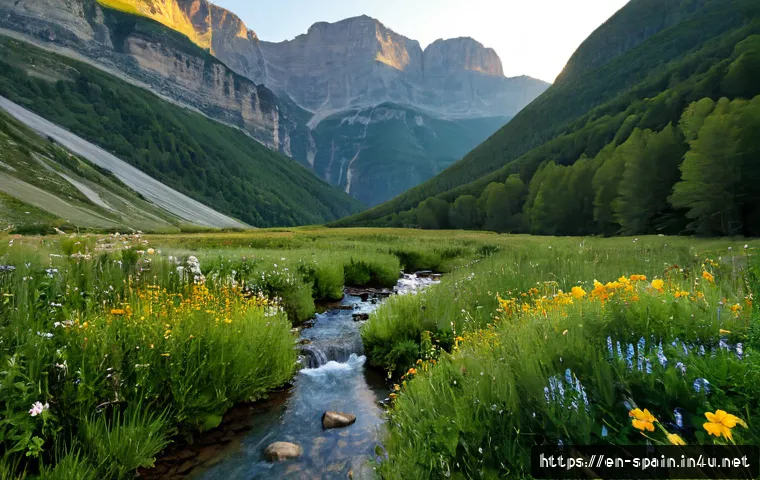
Ordesa y Monte Perdido is a strong match for travelers seeking dramatic valleys, waterfalls, and high mountain scenery. Picos de Europa is useful for a northern route because it spans several regions. Sierra de Guadarrama is a mountain destination accessible from the Madrid region, making it worth considering when time is limited. Sierra Nevada may also fit a mountain-focused Spain itinerary, but route conditions and permitted activities should be checked locally. Do not assume all mountain access is equally easy: chosen entrances, weather, and trail conditions matter.
Wetlands, Forests, and Coastal Nature: Doñana, Monfragüe, Garajonay, Cabrera, and Atlantic Islands
Doñana protects wetlands, dunes, and coastal habitats in Andalusia. It is a logical choice for travelers who prefer habitat variety over high-altitude hiking. Cabrera Archipelago National Park, off Mallorca, offers a protected marine and island environment. Monfragüe, Garajonay, and Atlantic Islands can be considered when forests, birdlife, coastal settings, or island landscapes shape your travel plans, but visitor facilities and accessibility vary significantly between parks.
Comparison Table: Transport, Hiking Difficulty, Recommended Stay, and Guided-Tour Value
| Park type | Transport approach | Activity consideration | Guided-tour value |
|---|---|---|---|
| Volcanic island park | Compare car hire with island tours | Weather, exposure, and route limits | Useful when transport or access details are unclear |
| Mountain park | Check entrance and trailhead logistics | Altitude, uneven trails, snow, and hiking experience | Useful for route confidence and local logistics |
| Wetland or coastal park | Confirm access point and seasonal transport | Habitat rules, heat, wind, and walking distance | Useful for wildlife viewing and restricted areas |
Plan Costs Without Guessing
Build your travel budget around categories rather than assumed prices. Transport, accommodation location, permits or reservations, guided nature tours, travel insurance, and hiking gear can all affect the final cost. Current fees, reservation rules, and availability must be checked through the relevant official information and booking pages.
Main Budget Categories: Transport, Accommodation, Permits, Tours, and Equipment
A stay near the right entrance can reduce daily transport complexity, while a lower-priced room farther away may create more driving or tour costs. Include practical items such as suitable footwear, sun protection, water capacity, and clothing for changing conditions. If an activity requires advance arrangements, compare the conditions before treating it as a fixed part of your itinerary.
When Car Hire Offers Better Value Than Day Tours
Car hire can be a sensible option when you want to choose your own stops, stay outside a city, or combine a park with other rural destinations. It is less attractive when parking, driving confidence, island logistics, or changing access rules create uncertainty. Compare the vehicle option with the total effort involved, not only the headline rental rate.
When a Local Guide Is Worth Considering for Logistics, Wildlife Viewing, or Restricted Access
A local guide may be worth considering when you want help with wildlife viewing, have limited time, or need clarity on current access conditions. Guided activities can also simplify a visit where transport is limited or rules are seasonal. They do not remove the need to review fitness requirements, what is included, cancellation terms, and current park restrictions.
Avoid Common National Park Planning Mistakes
The most avoidable mistake is booking a room or tour before confirming how you will reach the intended area. National park visits often depend on details that change by season, including transport, reservations, trail closures, and permitted activities.
Checking Reservations, Timed Access, and Seasonal Transport Before Booking Accommodation
Check whether your chosen entrance, shuttle, boat connection, tour, or trail arrangement needs advance action. Then choose accommodation based on that confirmed plan. This matters especially for island parks, protected marine environments, and areas where seasonal transport may shape the entire day.
Preparing for Heat, Altitude, Wind, Uneven Trails, and Limited Services
Bring equipment appropriate to the route rather than the city forecast. A mountain trail may involve altitude and uneven ground; an island or coastal visit may bring wind and sun exposure; warmer periods can also bring heat and wildfire restrictions. Travelers with mobility needs, children, or limited hiking experience should prioritize visitor information that describes facilities and route conditions.
Respecting Protected Habitats, Trail Rules, and Wildlife-Viewing Distances
Protected landscapes work best when visitors follow marked routes, access limits, and local guidance. Keep distance from wildlife, avoid entering restricted habitat, and do not assume an activity is allowed simply because it is possible elsewhere in Spain. Conditions and permitted activities depend on local restrictions.
Park Recommendations by Itinerary and Traveler Needs
Match the park to the shape of your trip. A good selection should leave enough time for travel, weather changes, and the level of activity you genuinely enjoy.
Best Options for First-Time Visitors With Limited Time
Teide can fit a Tenerife itinerary focused on iconic volcanic scenery. Sierra de Guadarrama may be practical for travelers based in or near the Madrid region. Doñana can complement an Andalusian trip for visitors interested in wetlands, dunes, and coastal habitats. In each case, verify current entry and transport details before deciding that a day visit is realistic.
Better Choices for Hikers and Multi-Day Outdoor Itineraries
Ordesa y Monte Perdido is a natural shortlist choice for travelers who want valleys, waterfalls, and high mountain scenery. Picos de Europa can suit a broader northern Spain itinerary across Asturias, Cantabria, and Castile and León. Longer outdoor plans need extra care: check weather, route status, equipment needs, overnight location, and your ability to manage uneven terrain.
Options for Island Holidays, Families, Photography Trips, and Low-Driving Travel
For island holidays, Teide, Timanfaya, and Cabrera offer distinct volcanic, marine, and island environments. Families may prefer a plan with fewer transfers and clearly understood facilities. Photography travelers should leave room for weather and light rather than booking an overly tight schedule. For low-driving travel, compare guided tours and accommodation areas that reduce the need to navigate unfamiliar access routes.
Selection Criteria and Comparison Summary
Choose by scenery first: volcanoes, mountains, wetlands, forests, islands, or marine views. Then confirm your entrance point, transport plan, walking demands, seasonal conditions, and whether reservations apply. A self-guided trip can work well when access is straightforward and you are comfortable with the route; a guided option can be more efficient when local logistics, wildlife viewing, or restricted access are central to the visit. For one-day visits, favor a park that fits your existing base; for a weekend escape, allow room for changing conditions; for a longer nature trip, consider accommodation close to the landscape you came to see. Compare tours, vehicle options, and accommodation locations by checking the detailed conditions on the relevant pages.
Final Thoughts
Spain’s national parks are varied enough that the right choice can feel very personal. Teide and Timanfaya appeal to volcanic-landscape travelers, Ordesa y Monte Perdido and Picos de Europa suit mountain-focused routes, and Doñana and Cabrera offer different forms of coastal nature. Keep the plan simple: select the scenery, verify access, and only then commit to transport and accommodation. That approach helps you spend more of the trip outdoors and less time correcting avoidable logistics.
Useful Things to Know
Spain has 16 national parks across the mainland, Balearic Islands, and Canary Islands.
Access varies: visitor facilities, accessibility standards, and permitted activities are not the same at every park.
Season matters: heat, snow, wind, wildfire restrictions, crowds, and transport limitations can affect plans.
Location matters: the chosen entrance and route can change driving time and the practical shape of a visit.
Important Notes
Entry fees, reservations, shuttle schedules, trail closures, guided-tour availability, exact driving times, and weather conditions may change. Confirm current official park guidance, activity terms, and local transport details before booking non-refundable accommodation, car hire, travel insurance, or tours. This comparison is intended to help with shortlisting, not to replace current visitor information.
Frequently Asked Questions
Q1. Which national park in Spain is best for a first-time visitor?
A1. It depends on where you are already traveling. Teide is a strong choice for a Tenerife itinerary and volcanic scenery, Sierra de Guadarrama may suit a Madrid-region stay, and Doñana can fit an Andalusian route focused on wetlands and coastal habitats. Choose the park that matches your base and available time.
Q2. Do Spain’s national parks require advance reservations or paid entry?
A2. Reservation rules, entry arrangements, shuttle schedules, and fees can change by park and season. Check current official guidance for your chosen entrance, route, activity, or boat and transport connection before finalizing plans.
Q3. Is it better to rent a car or book a guided tour for Spanish national parks?
A3. Car hire can offer flexibility when you want independent stops or are staying in rural areas. A guided nature tour may be more convenient when access is unclear, transport is limited, wildlife viewing is a priority, or you have little time. Compare the complete itinerary, conditions, and accommodation location rather than choosing on price alone.