As 2024 unfolds, Spain continues to dazzle with its vibrant festivals that blend centuries-old traditions with modern celebrations. Whether you’re a seasoned traveler or a first-time visitor, immersing yourself in these lively events offers an unforgettable glimpse into Spanish culture.
From fiery street parades to heartfelt religious ceremonies, each festival promises unique experiences that capture the country’s spirit. With new dates and some fresh twists this year, now is the perfect time to plan your calendar.
Stick around as we explore the can’t-miss festivals that will light up Spain in 2024, helping you make the most of every moment.
Unveiling Spain’s Timeless Festive Spirit
Historic Roots Meet Modern Revelry
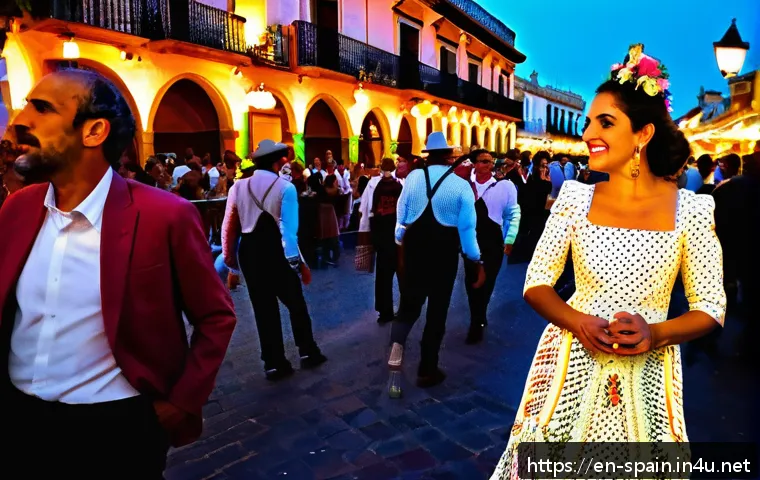
Spain’s festivals are a vivid tapestry woven from centuries-old customs and contemporary zest. When I first wandered through the streets of Seville during Feria de Abril, the blend of flamenco dresses and digital lights struck me deeply.
These events aren’t just parties—they’re living stories, where tradition dances hand in hand with today’s excitement. Whether it’s the age-old bull runs in Pamplona or the avant-garde art installations lighting up Valencia’s Las Fallas, each festival carries a unique narrative that invites you to step into Spain’s soul.
Regional Diversity in Every Celebration
From the snowy peaks of the Pyrenees to the sun-kissed shores of the Mediterranean, Spain’s regions showcase their distinct flair through their festivals.
For instance, Catalonia’s Castells—human towers—are a breathtaking spectacle of teamwork and courage, while Andalusia’s Semana Santa reveals profound spiritual intensity through elaborate processions.
During my trip to Galicia, I was captivated by the Celtic influences in their music and dance, especially during the Festival of St. John. This diversity means every festival offers a fresh perspective, making it impossible to experience just one and truly know Spain.
Timing Your Visit: Seasonal Highlights
Understanding when these festivals occur can transform your trip from ordinary to extraordinary. Spring and summer bring a burst of color and energy with events like La Tomatina and the Running of the Bulls, while autumn and winter offer more reflective, often religious, celebrations.
Personally, I found autumn’s Fiesta de la Vendimia (Grape Harvest Festival) in La Rioja enchanting, where the harvest rituals and wine tastings connect visitors to the land’s essence.
Planning your journey around these seasonal highlights ensures you catch Spain at its most vibrant.
The Fiery Passion of Spain’s Street Parades
Las Fallas: A Fiery Farewell to Winter
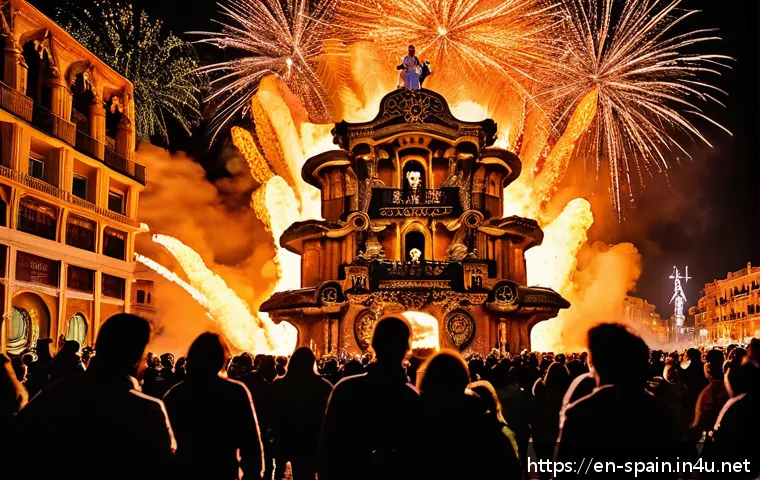
Las Fallas in Valencia is one of those festivals that truly stays with you. The sheer scale of the papier-mâché monuments, often towering over buildings, combined with the nightly fireworks shows, creates an electrifying atmosphere.
I remember walking among the crowds, feeling the heat from the bonfires and hearing the crackling of firecrackers mingling with laughter and cheers. The final night, where these giant sculptures are set ablaze, is a dramatic spectacle symbolizing renewal and letting go of the old.
Feria de Abril: A Celebration of Life and Color
Seville’s Feria de Abril is a dazzling display of flamenco dresses, horse parades, and endless tapas. What struck me most was the sense of community—locals and visitors alike share in the joy, dancing sevillanas into the night.
The fairgrounds burst with color and sound, and the food stalls tempt you with traditional Andalusian delights. It’s a festival that feels both grand and intimate, where you’re invited not just to watch, but to join in the celebration.
Fiesta de San Juan: Night of Fire and Magic
The midsummer Fiesta de San Juan, celebrated across coastal Spain, is a night charged with energy and mystery. Bonfires blaze on the beaches as people gather to jump over flames, a ritual believed to cleanse and bring good luck.
When I experienced this festival in Alicante, the combination of music, fire, and sea breeze created a magical setting that felt both ancient and exhilarating.
It’s the perfect festival for those who love a blend of tradition, nature, and communal spirit.
Deep Spirituality Through Processions and Rituals
Semana Santa: The Heartbeat of Spanish Devotion
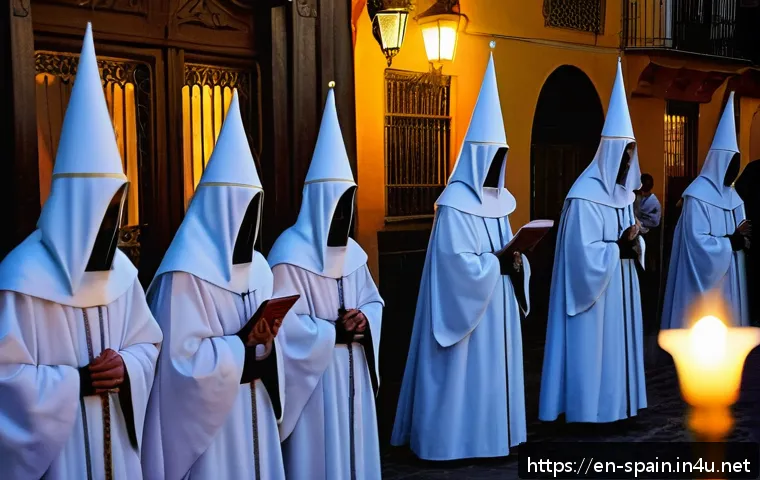
Semana Santa, or Holy Week, is one of the most emotionally powerful festivals I’ve witnessed. Cities like Seville and Malaga transform into stages for solemn processions, where massive floats carrying statues of Christ and the Virgin Mary are paraded through the streets.
The atmosphere is thick with incense, candlelight, and heartfelt prayers. Experiencing this festival firsthand gave me a profound appreciation for Spain’s religious heritage and the intense devotion that continues to bind communities.
Corpus Christi: A Blend of Faith and Folklore
The Corpus Christi celebrations offer a fascinating mix of sacred tradition and local folklore. In Toledo, for example, the streets come alive with floral carpets, traditional dances, and processions that date back centuries.
I found the harmony between the religious ceremony and the community’s joyous participation particularly touching. It’s a festival where spirituality is expressed through art, music, and collective celebration, creating an uplifting experience for everyone involved.
Romerías: Pilgrimages with a Festive Twist
Romerías are pilgrimages to local shrines that often culminate in lively fairs. These events combine spiritual journeys with music, dancing, and regional cuisine.
During my visit to El Rocío, the sheer scale of devotion was awe-inspiring, as thousands traveled on foot, horseback, or wagons to honor the Virgin. The communal campfires and folk songs that followed made it feel like a massive family reunion steeped in faith and joy.
Culinary Delights That Complement Festive Vibes
Traditional Foods That Tell a Story
Every Spanish festival comes with its own array of traditional dishes that reflect local ingredients and history. For example, during Valencia’s Las Fallas, I indulged in paella cooked over open fires, savoring how its smoky flavor matched the festival’s fiery theme.
In Pamplona, pintxos bars overflow with bite-sized treats during San Fermín, offering a delicious way to fuel up before the adrenaline rush of the bull runs.
Food here isn’t just sustenance—it’s part of the celebration itself.
Wine and Cider: Tasting the Region’s Spirit
Spain’s festivals often showcase the best of its wines and ciders, which are deeply tied to local culture. The Rioja harvest festivals are a perfect example, where tasting sessions and vineyard tours bring visitors closer to the land’s bounty.
In Asturias, the traditional cider pouring rituals during festivals are a sensory delight that I found utterly charming. These beverages aren’t just drinks—they’re a toast to heritage and craftsmanship.
Street Markets and Sweet Treats
Festival markets are treasure troves of artisanal products and sweets. I always make a point to explore these bustling stalls, where you can find handmade crafts and sample regional specialties like turrón or churros.
During Christmas markets in Barcelona, the festive lights and aromas create an enchanting ambiance that makes shopping feel like part of the holiday magic.
These markets add an extra layer of joy and discovery to any festival experience.
Family-Friendly Festivities and Interactive Traditions
Engaging Activities for All Ages
Spain’s festivals often include interactive events that welcome families and children with open arms. For instance, in the town of Olot, the famous Giants Parade features giant puppets dancing through the streets, captivating kids and adults alike.
When I attended the Children’s Day during Valencia’s Fallas, the workshops and performances designed for younger visitors made the festival feel inclusive and warm.
These moments create lasting memories for families and encourage cultural participation from a young age.
Workshops and Hands-On Experiences
Many festivals offer workshops where you can learn traditional crafts or dances. I vividly remember joining a flamenco dance workshop in Seville during Feria de Abril, which helped me connect more deeply with the cultural heartbeat of the event.
Similarly, pottery and mask-making classes during Carnival in Tenerife provide a tactile way to engage with local heritage. These experiences go beyond passive observation, turning visitors into active participants.
Parades and Performances That Spark Joy
Live music and street performances are the lifeblood of Spanish festivals. From the energetic drumming circles in Cádiz to the classical guitar concerts in Granada’s plazas, there’s always a show that pulls you in.
The interactive nature of these performances often invites the crowd to sing, dance, or simply revel in the moment. Having been swept up in these spontaneous celebrations, I can attest to their power to create a shared sense of joy and community.
Planning Your Festival Journey: Key Dates and Tips
Essential Festival Calendar for 2024
Keeping track of festival dates is crucial for maximizing your Spanish adventure. The following table summarizes some of the major festivals, their locations, and typical dates to help you plan effectively.
| Festival | Location | Typical Dates | Highlight |
|---|---|---|---|
| Las Fallas | Valencia | March 15–19 | Monument burning and fireworks |
| Semana Santa | Seville, Malaga | March/April (varies) | Religious processions |
| Feria de Abril | Seville | April (2 weeks after Easter) | Flamenco, horse parades |
| La Tomatina | Buñol | Last Wednesday of August | Tomato fight |
| Fiesta de San Juan | Coastal cities | June 23–24 | Beach bonfires |
| San Fermín | Pamplona | July 6–14 | Running of the Bulls |
| Fiesta de la Vendimia | La Rioja | September | Grape harvest celebrations |
Tips for a Smooth Festival Experience
Booking accommodations early is a must, especially in hotspots like Seville and Valencia during peak festival seasons. I learned this the hard way when last year’s Feria de Abril left me scrambling for a room.
Also, consider using public transport or walking—parking can be a nightmare during these events. Carrying cash is wise too, as some vendors may not accept cards.
Lastly, immerse yourself fully: try the food, join the dances, and don’t shy away from the local customs—it’s these moments that turn a trip into a treasured memory.
Safety and Cultural Respect
Festivals can get crowded and lively, so keeping an eye on your belongings and personal safety is essential. From my experience, staying hydrated and pacing yourself is key, especially during summer events under the scorching sun.
Equally important is respecting the local traditions and religious sentiments, even if they differ from your own background. Observing and asking politely goes a long way in ensuring that your participation is appreciated and enriching for everyone involved.
In Conclusion
Spain’s festivals offer a captivating blend of history, culture, and vibrant energy that invites every visitor to join in the celebration. Experiencing these events firsthand reveals the country’s deep-rooted traditions alongside its lively modern spirit. Whether you seek fiery parades, spiritual processions, or family-friendly fun, Spain’s festive calendar promises unforgettable moments. Planning your visit around these unique celebrations will truly enrich your travel experience.
Useful Information to Know
1. Many Spanish festivals are tied to religious or seasonal events, so dates may vary yearly—always double-check before planning your trip.
2. Accommodation fills up quickly during major festivals; booking well in advance can save you from last-minute stress.
3. Public transportation and walking are often the best ways to navigate festival areas due to heavy traffic and limited parking.
4. Carrying some cash is advisable, as smaller vendors may not accept credit cards during festivals.
5. Participating respectfully in local customs and traditions enhances your experience and fosters positive connections with the community.
Key Takeaways for Festival Travelers
To make the most of Spain’s vibrant festivals, prioritize early planning and flexible itineraries that allow you to immerse fully in each celebration. Embrace the local culture by engaging in traditional activities, tasting regional foods and drinks, and joining communal dances or rituals. Always stay mindful of safety and respect the spiritual aspects of religious events. By balancing enthusiasm with cultural sensitivity, your festival journey will be both enriching and memorable.
Frequently Asked Questions (FAQ) 📖
Q: uestions about Spain’s 2024 FestivalsQ1: What are the must-see festivals in Spain during 2024?
A: Spain is bursting with incredible festivals in 2024, but some stand out as absolute must-sees. La Tomatina in Buñol offers a wild tomato-throwing experience that’s both messy and exhilarating.
The Feria de Abril in Seville combines flamenco, traditional costumes, and lively fairs, giving you a deep dive into Andalusian culture. Don’t miss the San Fermín festival in Pamplona if you’re up for the thrill of the famous running of the bulls.
Each festival reflects a different facet of Spain’s rich heritage, so planning around these events guarantees unforgettable memories.
Q: How can I best prepare for attending these festivals in Spain?
A: Preparation is key to fully enjoying Spain’s vibrant festivals. First, book accommodations well in advance—these events draw huge crowds, and nearby hotels fill up quickly.
Dress appropriately for the occasion; for example, white clothing is traditional at San Fermín, while comfortable shoes are a must for walking parades or exploring fairgrounds.
Learning a few basic Spanish phrases can also enhance your experience by helping you connect with locals. Lastly, stay hydrated and plan your transport ahead, as public transit and roads can get crowded during peak festival times.
Q: Are these festivals family-friendly, or are they better suited for adults?
A: Many Spanish festivals warmly welcome families and offer activities that kids will enjoy, like colorful parades, music, and traditional games. Events such as the Feria de Abril are particularly family-friendly, with plenty of food stalls and amusement rides.
However, some festivals, like the running of the bulls in Pamplona, involve risks and may be better suited for adults or older teens. It’s always a good idea to research each festival’s atmosphere and specific activities to decide what fits best for your family’s comfort and safety.