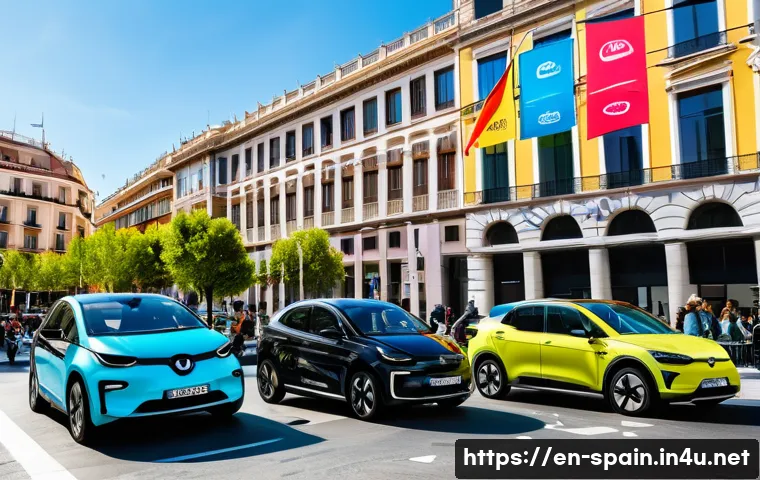
Spain’s automotive market is undergoing an exciting transformation, driven by shifts in consumer preferences and a growing focus on sustainability. Electric vehicles are gaining momentum, supported by government incentives and expanding charging infrastructure.
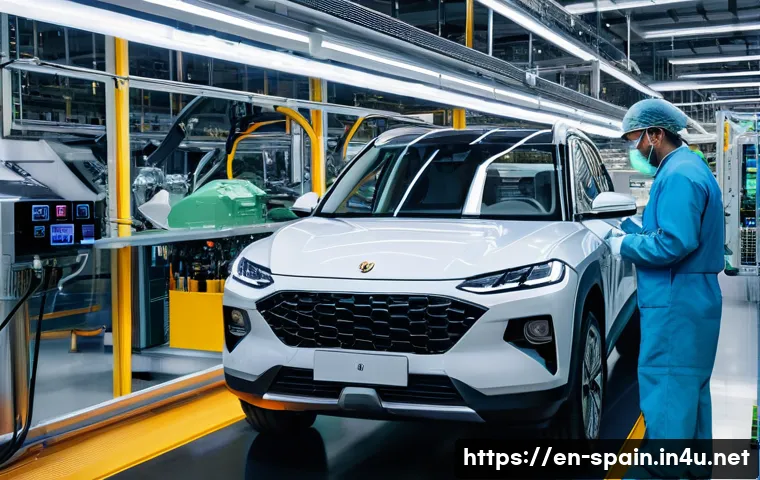
Traditional carmakers are also adapting rapidly, introducing innovative models tailored to the evolving demands of Spanish drivers. Meanwhile, urban mobility solutions and smart technologies are reshaping how people think about transportation in cities like Madrid and Barcelona.
This dynamic landscape offers a fascinating glimpse into the future of driving in Spain. Let’s dive deeper and explore the details below!
The Rise of Electric Vehicles in Spain
Government Incentives Boosting EV Adoption
Spain has made impressive strides in encouraging the adoption of electric vehicles, mainly through a variety of government incentives. From tax breaks to subsidies on EV purchases, these policies have significantly lowered the barrier for consumers who might have hesitated due to the higher upfront costs of electric cars.
Additionally, local governments in cities like Madrid and Barcelona have introduced low-emission zones that restrict older, polluting vehicles, further nudging drivers toward cleaner alternatives.
What I find particularly encouraging is how these incentives are not just temporary gimmicks but are part of a long-term strategy to reduce carbon emissions and align with the EU’s Green Deal targets.
For everyday drivers, this means that the financial benefits of switching to an electric vehicle are becoming increasingly tangible and sustainable.
Expanding Charging Infrastructure Across Key Cities
One of the main concerns people have when considering an electric vehicle is the availability of charging stations. In Spain, this issue is rapidly being addressed.
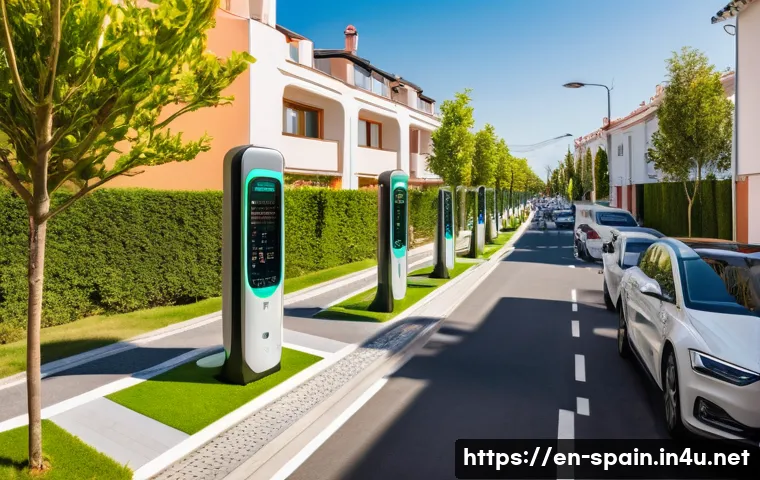
Public and private sectors have invested heavily in expanding charging infrastructure, especially in urban areas and along major highways. Madrid and Barcelona are leading the way with numerous fast-charging points, which can recharge an EV in under an hour.
This expansion has made electric car ownership far more practical for daily commuting and longer trips. From my experience, the growing network of chargers has eased “range anxiety,” making EVs a more convenient choice for a wider range of drivers.
The rise in charging stations is not just about quantity but also about improving the user experience through reliable and accessible technology.
Innovative Electric Models Tailored for Spanish Drivers
Traditional automakers in Spain and Europe are not sitting still; they’re launching electric models that cater specifically to the preferences and needs of Spanish consumers.
Compact cars suited for narrow city streets, SUVs with extended range for family trips, and stylish sedans that don’t compromise on performance are all hitting the market.
These new models often come equipped with smart tech features like advanced driver assistance systems and connectivity options that appeal to tech-savvy drivers.
I’ve noticed that brands are focusing on combining sustainability with style and comfort, which helps dispel the myth that electric vehicles are just functional and boring.
This diversity in EV offerings means there’s likely an electric car for every lifestyle and budget in Spain today.
Urban Mobility Revolution in Spanish Cities
Smart Mobility Solutions Shaping City Life
Urban mobility in cities like Madrid and Barcelona is undergoing a radical transformation thanks to smart technologies and innovative transport solutions.
The rise of shared mobility options such as electric scooters, bike-sharing programs, and car-sharing services is redefining how people move around. These options are not only convenient but also reduce traffic congestion and pollution.
What’s fascinating is how these services are integrated with mobile apps, allowing users to plan multi-modal trips seamlessly. I’ve personally used electric scooters for short errands around the city, and the convenience combined with the eco-friendly factor makes it an appealing alternative to traditional car use.
Public Transport and Micromobility Integration
Spanish cities are actively integrating micromobility options with existing public transport networks to create a cohesive urban mobility ecosystem. For example, bike and scooter stations are strategically placed near metro and bus stops, facilitating easy transfers and encouraging people to leave their cars at home.
This integration is backed by digital platforms that offer unified payment and route planning, which simplifies the user experience. From my viewpoint, this approach not only improves last-mile connectivity but also promotes a healthier, more sustainable lifestyle.
It’s encouraging to see such thoughtful urban planning that addresses multiple challenges simultaneously.
Challenges and Opportunities in Urban Mobility
Despite the progress, urban mobility in Spain faces challenges such as infrastructure limitations, regulatory hurdles, and the need for public awareness.
The road to widespread adoption of smart mobility solutions requires continuous investment and policy support. However, these challenges also present opportunities for innovation, entrepreneurship, and collaboration between public and private sectors.
Based on what I’ve observed, cities that actively engage citizens and businesses in co-creating mobility solutions tend to achieve better outcomes. This participatory approach ensures that solutions are practical, widely accepted, and sustainable in the long run.
Spanish Carmakers Embracing Innovation
Transitioning from Traditional to Electric Manufacturing
Spanish car manufacturers have been quick to adapt their production lines to meet the rising demand for electric vehicles. Major players are investing heavily in research and development to create EVs that are competitive not only in Spain but also in global markets.
This transition involves retooling factories, training employees, and forming partnerships with technology providers. From my conversations with industry insiders, it’s clear that the shift is not just about building electric cars but also about redefining the entire manufacturing ecosystem to be more sustainable and efficient.
Focus on Sustainability Beyond the Vehicle
Sustainability efforts by Spanish carmakers extend beyond the vehicles themselves. Many manufacturers are focusing on reducing the environmental impact of their production processes, using recycled materials, and ensuring that their supply chains meet stringent ethical and environmental standards.
This holistic approach resonates well with environmentally conscious consumers. When I recently visited a plant, I was impressed by the company’s commitment to zero-waste production and the use of renewable energy sources, signaling a genuine dedication to sustainability.
Collaborations with Tech Startups and Research Centers
To stay at the forefront of innovation, Spanish automakers are increasingly collaborating with startups and research institutions. These partnerships accelerate the development of cutting-edge technologies such as battery improvements, autonomous driving systems, and connected car platforms.
For consumers, this means access to vehicles that are not only eco-friendly but also smarter and safer. I find it exciting how these collaborations create a vibrant ecosystem where technology and traditional automotive expertise come together to push boundaries.
Consumer Attitudes and Market Trends
Shifting Preferences Toward Eco-Friendly Options
There’s a noticeable shift in consumer attitudes in Spain, with many drivers now prioritizing sustainability when choosing a car. This change is fueled by increased environmental awareness and the desire to reduce fuel costs amid fluctuating oil prices.
Surveys indicate that younger generations, in particular, are more inclined to buy electric or hybrid vehicles. From my experience chatting with friends and colleagues, many express pride in owning an eco-friendly car and enjoy the benefits of lower running costs and quieter rides.
Growing Interest in Subscription and Shared Ownership Models
Beyond buying, new ownership models like subscriptions and car-sharing are gaining traction in Spain. These options appeal to people who want flexibility without the long-term commitment of traditional car ownership.
Subscription services often include maintenance, insurance, and the option to switch models, making them attractive to urban dwellers. I’ve tried a car subscription myself, and the hassle-free experience combined with access to new models is hard to beat.
This trend reflects broader changes in consumer behavior toward more sustainable and flexible mobility solutions.
Impact of Digital Platforms on Car Buying
Digital platforms have transformed how Spaniards research, compare, and purchase vehicles. Online marketplaces, virtual showrooms, and digital financing options make the car-buying process more transparent and convenient.
These tools empower consumers to make informed decisions without feeling pressured by traditional sales tactics. From what I’ve observed, this digital shift also helps smaller brands and startups reach a wider audience, fostering competition and innovation in the market.
Infrastructure and Policy Landscape
National and Regional Strategies for Sustainable Transport
Spain’s infrastructure development is closely aligned with national and regional strategies aimed at sustainable transport. Policies emphasize expanding electric vehicle infrastructure, promoting public transport, and encouraging active mobility like cycling and walking.
These strategies are supported by significant public funding and European Union grants. The coordinated efforts between different levels of government ensure that investments are targeted and effective.
As someone who follows policy trends, I appreciate how Spain is balancing immediate mobility needs with long-term environmental goals.
Incentives and Regulations Driving Market Dynamics
Regulatory frameworks in Spain are designed to accelerate the transition toward cleaner mobility. Incentives such as purchase subsidies, tax exemptions, and rebates for installing home chargers complement stricter emission standards and urban low-emission zones.
These measures create a favorable environment for electric vehicle adoption and innovation. However, continuous policy adjustments are necessary to address emerging challenges and keep pace with technological advancements.
In my opinion, the transparency and consistency of these policies are key to maintaining consumer confidence and market stability.
Challenges in Rural and Suburban Areas
While urban centers see rapid progress, rural and suburban areas face unique challenges in adopting electric mobility. Limited charging infrastructure, longer travel distances, and lower population densities make it harder to justify large investments.
This disparity risks creating a mobility divide. I’ve spoken with drivers outside major cities who express frustration over the lack of convenient charging options.
Addressing these challenges requires innovative solutions such as mobile charging units, incentives for home chargers, and tailored public transport services to ensure equitable access to sustainable mobility.
Spain’s Position in the European Automotive Landscape
Competitive Strengths and Export Potential
Spain holds a strong position in Europe’s automotive industry, being one of the largest car manufacturers on the continent. The country’s strategic location, skilled workforce, and robust industrial base provide significant advantages.
Spanish carmakers are also well-integrated into European supply chains, which enhances export potential. The shift toward electric vehicles offers new opportunities for Spain to increase its market share in the growing EV segment.
From industry reports and my own observations, Spain is poised to become a key player in Europe’s green mobility transition.
Collaboration with European Partners
Collaboration across European countries is vital for Spain to leverage technological advances and scale up production of electric vehicles and components.
Joint ventures, research projects, and standardization efforts help Spanish manufacturers stay competitive and innovative. These partnerships also support the development of pan-European charging networks and smart mobility solutions.
I see this cooperation as a critical factor in overcoming challenges such as battery supply constraints and infrastructure harmonization.
Future Outlook Amid Global Trends
Global trends like the rise of autonomous driving, shared mobility, and stricter environmental regulations will shape Spain’s automotive market in the coming years.
Spain’s proactive approach to sustainability and innovation positions it well to capitalize on these trends. Nevertheless, staying agile and responsive to consumer needs and technological shifts will be crucial.
Based on the momentum I’ve witnessed, Spain’s automotive sector is not just adapting but actively shaping the future of mobility in Europe.
| Category | Key Developments | Impact on Consumers | Challenges |
|---|---|---|---|
| Electric Vehicles | Government incentives, expanding charging network, diverse EV models | Lower costs, easier access, variety of choices | Range anxiety decreasing but still present outside urban areas |
| Urban Mobility | Shared mobility, integrated public transport, smart apps | Convenience, reduced congestion, eco-friendly options | Infrastructure gaps, regulatory hurdles |
| Manufacturing | Transition to EV production, sustainability initiatives, tech partnerships | Access to innovative, eco-friendly vehicles | Investment costs, supply chain adjustments |
| Consumer Trends | Shift to eco-friendly cars, flexible ownership models, digital buying platforms | Greater choice and flexibility, informed decisions | Need for consumer education on new models and services |
| Infrastructure & Policy | National strategies, incentives, urban low-emission zones | Supportive environment for EV adoption | Rural infrastructure gaps, policy consistency |
Wrapping Up
The rise of electric vehicles and smart urban mobility in Spain reflects a strong commitment to sustainable transportation and innovation. With supportive policies, expanding infrastructure, and evolving consumer preferences, the country is steadily transforming its automotive landscape. This ongoing shift promises cleaner cities and more efficient travel options for everyone. Spain is not only adapting to the future of mobility but helping to shape it.
Useful Information to Keep in Mind
1. Government incentives play a crucial role in making electric vehicles more affordable and appealing for everyday drivers.
2. The growing network of fast-charging stations significantly reduces range anxiety, especially in major cities like Madrid and Barcelona.
3. New electric vehicle models are designed to meet diverse needs, combining style, performance, and sustainability.
4. Integration of micromobility options with public transport improves convenience and encourages eco-friendly travel habits.
5. While urban areas lead in EV adoption, rural and suburban regions still face challenges that require innovative infrastructure solutions.
Key Takeaways
Spain’s progress in electric mobility is driven by comprehensive government support, expanding charging infrastructure, and consumer enthusiasm for eco-friendly options. Urban mobility is evolving through smart technologies and integrated transport systems, enhancing convenience and sustainability. Spanish carmakers are embracing innovation with a focus on sustainability across production and product lines. However, ensuring equitable access in less populated areas and maintaining consistent policies remain important challenges to address for long-term success.
Frequently Asked Questions (FAQ) 📖
Q: What government incentives are available in Spain to encourage the purchase of electric vehicles?
A: Spain offers several incentives to promote electric vehicle adoption, including direct purchase subsidies that can reduce the cost by up to several thousand euros.
Additionally, there are tax reductions and exemptions on registration and circulation taxes for EV owners. Local governments in cities like Madrid and Barcelona often provide extra perks, such as free parking or access to restricted traffic zones.
From my experience, these incentives significantly lower the entry barrier for many buyers, making electric cars more accessible and appealing.
Q: How is the charging infrastructure developing across Spain, especially in urban areas?
A: The charging network in Spain has been expanding rapidly, with a growing number of public fast-charging stations appearing along highways and within cities.
Madrid and Barcelona lead the way, offering convenient access to chargers in parking lots, shopping centers, and residential areas. While rural regions still have fewer options, ongoing investments by both public and private sectors are closing the gap.
I’ve noticed that this improved infrastructure makes daily EV use much more practical, reducing range anxiety for many drivers.
Q: How are traditional car manufacturers in Spain adapting to the shift toward electric vehicles and sustainability?
A: Traditional automakers in Spain are actively evolving by launching new electric and hybrid models tailored to local preferences. They’re investing in research and development to enhance battery technology, vehicle range, and eco-friendly materials.
Brands are also collaborating with tech companies to integrate smart features that appeal to modern urban drivers. From what I’ve seen, this shift isn’t just about compliance but a genuine effort to meet changing consumer demands and contribute to Spain’s sustainability goals.