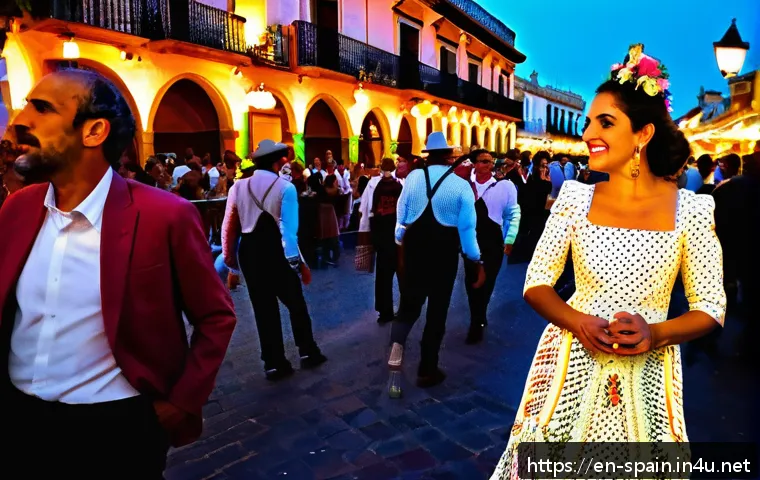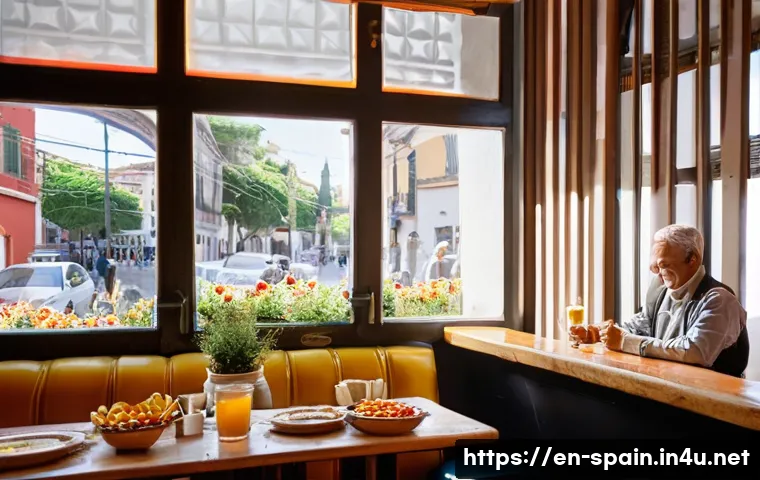
Oh, Spain! Just the thought of it makes my heart skip a beat, and honestly, a huge part of that magic comes from its incredible café culture. It’s not just about grabbing a coffee; it’s a daily ritual, a cornerstone of social life where the aroma of freshly brewed *café* blends with lively chatter and the clinking of porcelain.
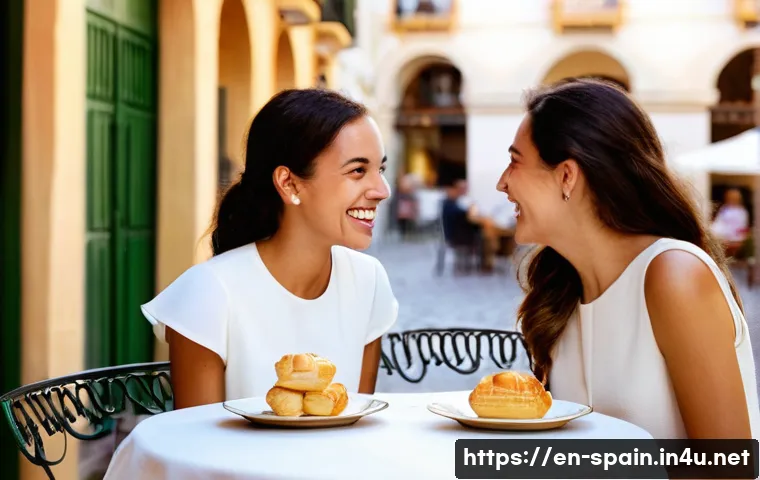
From my very first visit to the sun-drenched plazas of Seville, I’ve been utterly captivated by how deeply embedded these vibrant spots are in the local rhythm, offering so much more than just a caffeine fix.
Whether it’s starting the day with a robust *café con leche* or unwinding later with a unique local specialty you’ve never even heard of, Spanish cafés are truly an experience for all the senses, a world away from our typical rush.
Ready to uncover the secrets of these charming establishments and the delightful drinks they serve? Let’s dive in and explore the authentic Spanish way!
Beyond the Bean: The Heart of Spanish Socializing
The moment you step into a Spanish café, you’re not just entering a place to grab a quick drink; you’re stepping into the very pulse of local life. I remember my first trip to Valencia, completely jet-lagged, and stumbling into a tiny neighborhood spot.
The clatter of cups, the lively chatter, the warm embrace of coffee aroma – it was an instant cure for my travel weariness and a window into something truly special.
This isn’t about rushing your order or burying your face in a laptop; it’s about slowing down, connecting, and savoring the moment. Locals pop in for a rapid *café solo* at the bar, engaging in animated conversations with the barista, or linger for hours over a *café con leche* with friends, discussing everything from football to family gossip.
It’s a beautiful dance of daily rituals, deeply woven into the fabric of Spanish existence, making every café visit feel less like a transaction and more like an intimate glimpse into their vibrant culture.
This communal aspect is what truly sets Spanish cafés apart, transforming them from mere beverage stops into lively social hubs where friendships are forged and daily life unfolds with an endearing rhythm.
The Daily Ritual: More Than Just a Drink
For Spaniards, coffee isn’t just a beverage; it’s a profound daily ritual, a cornerstone around which their day gracefully unfurls. From the moment the sun peeks over the horizon, casting its golden glow across ancient cobblestone streets, the aroma of freshly brewed coffee begins to waft from countless cafés, beckoning sleepy towns to awaken.
I’ve often found myself mesmerized by the almost ceremonial way people engage with their morning cup. It’s not about chugging it down before a hurried commute; it’s a pause, a moment of reflection, often accompanied by a crisp newspaper or a quick exchange of greetings with familiar faces.
This deliberate pace, this conscious choice to begin the day with a moment of calm and connection, profoundly impacts one’s entire outlook. It’s this consistent, comforting routine that fosters a deep sense of community and provides a stable anchor in what can often be a bustling and unpredictable world.
Each cup holds a story, a moment of peace, or a shared laugh, making it much more than just caffeine; it’s the warm, beating heart of their daily lives.
Finding Your Tribe: Connection Over Coffee
What truly captivates me about Spanish cafés is their inherent ability to foster connection. I’ve always been a bit of an introvert, but even I found myself easily striking up conversations with strangers while perched at a bustling bar, sharing a laugh over a spilled sugar packet or a common observation about the morning rush.
These establishments are veritable melting pots, where people from all walks of life—students poring over textbooks, business professionals conducting informal meetings, elderly couples enjoying their golden years, and solo travelers like myself—converge.
It’s an organic, unforced sense of camaraderie that permeates the air, making everyone feel welcome and part of something larger. The warmth isn’t just in the cup; it’s in the genuine smiles, the shared glances, and the easy flow of conversation that makes you feel instantly at home.
This isn’t something you often find in other countries where coffee shops can feel more like individual workspaces; in Spain, the café is truly a space for collective human experience, a place to belong.
Decoding the Menu: Your Essential Guide to Spanish Coffee
Stepping into a Spanish café for the first time can feel a little bit like deciphering a secret code, especially when you’re used to the extensive, often overly complicated menus of coffee chains back home.
Forget the “venti, half-caf, non-fat, extra-foam latte” jargon; here, simplicity and tradition reign supreme, but with a nuanced vocabulary all its own.
I remember the slight panic I felt trying to order my first coffee in Madrid, pointing vaguely and hoping for the best! But once you learn the basics, it’s incredibly empowering and surprisingly straightforward.
The beauty lies in the distinct types of coffee, each designed to perfectly suit different times of day or personal preferences. It’s a world of subtle differences in milk, temperature, and strength, all delivered with an efficiency and flair that’s uniquely Spanish.
Understanding these terms isn’t just about ordering correctly; it’s about fully immersing yourself in the local customs and appreciating the artistry behind each cup.
Navigating the “Café” Labyrinth
The key to conquering the Spanish coffee menu is understanding that most variations stem from the classic *café solo* – a potent, small shot of espresso.
From there, it’s all about the milk, or lack thereof! You won’t find obscure flavorings or fanciful toppings, but rather a focus on the quality of the coffee itself and the balance it strikes with milk.
My personal journey began with tentatively trying a *café con leche* for breakfast, which quickly became a cherished daily ritual. Then, I gradually branched out, experimenting with the more intense *cortado* in the mid-morning, learning to appreciate its powerful kick, mellowed just slightly by a touch of warm milk.
It’s a delightful journey of discovery, finding your perfect coffee companion for any time of day. Don’t be afraid to try different options; each one offers a unique taste experience and a deeper appreciation for Spain’s rich coffee traditions.
The baristas are usually incredibly patient and helpful, even if your Spanish is as rusty as mine once was!
From *Cortado* to *Carajillo*: Knowing Your Brews
To truly blend in and enjoy your Spanish café experience to the fullest, getting familiar with the key coffee terms is a game-changer. It’s empowering to walk up to the bar and confidently order exactly what you want, feeling like a local.
Here’s a little cheat sheet I wish I had on my first visit, breaking down the most popular types.
| Coffee Type | Description | My Experience / Tip |
|---|---|---|
| Café Solo | A small, strong espresso shot, just pure coffee goodness. | Perfect for a quick pick-me-up when you need a jolt! I often have one standing at the bar. |
| Café Doble | A double espresso shot. For when one shot just isn’t enough to kickstart your day. | This is my go-to when I need a serious energy boost after a long day of sightseeing. |
| Café Cortado | Espresso with a dash of warm milk, cutting the intensity just a little. | Such a beautiful balance! It’s less harsh than a solo but still wonderfully robust. Great for mid-morning. |
| Café con Leche | Half coffee, half steamed milk, often served in a glass. The Spanish equivalent of a latte. | My absolute morning staple! It’s creamy, comforting, and oh-so-satisfying, especially with a *tostada*. |
| Café con Hielo | Espresso served with a separate glass of ice. You pour the hot coffee over the ice yourself. | Essential for those scorching summer days! It’s a DIY iced coffee that’s super refreshing and incredibly simple. |
| Café Manchado | Mostly milk with just a “stain” (mancha) of coffee. Lighter than a *con leche*. | If you prefer more milk than coffee, this is your friend. Perfect for those who find *con leche* too strong. |
| Carajillo | Espresso with a shot of brandy, rum, or whisky, often warmed. | A fantastic after-dinner treat or a bold afternoon pick-me-up! Be warned, it packs a punch. It’s an acquired taste but a classic. |
Sweet Sips & Savory Bites: Pairings You Can’t Miss
The Spanish café experience is rarely just about the coffee; it’s an entire gastronomic affair, where the perfect bite accompanies your perfect brew. This is where the magic truly happens, transforming a simple coffee break into a mini-meal, a moment of pure culinary delight.
I’ve always believed that food tastes better when enjoyed with the right companion, and in Spain, your coffee is never truly alone. From the iconic sweet treats that warm your soul to the savory staples that kickstart your morning, these pairings are not just arbitrary choices; they are deeply ingrained cultural rituals that enhance every sip and bite.
Exploring these combinations is an essential part of understanding and appreciating the full spectrum of Spanish café culture. Trust me, once you try these, your coffee routine will never be the same.
Churros and Chocolate: A Timeless Classic
Oh, *churros con chocolate*! If there’s one pairing that makes my heart sing, it’s this glorious duo. This isn’t just a snack; it’s an institution, a beloved tradition that transcends generations.
Picture this: perfectly fried, crispy, golden churros, often still warm from the fryer, served alongside a thick, rich, almost pudding-like hot chocolate that’s made for dipping, not just sipping.
The first time I experienced this in a bustling *churrería* in Madrid, I was absolutely smitten. The sheer decadence of dipping a crunchy churro into that velvety chocolate, letting it soak up the warmth and sweetness, is an unforgettable sensory experience.
It’s often enjoyed for breakfast, a late-night treat after a lively evening out, or during a leisurely *merienda*. It’s comforting, indulgent, and utterly delightful, creating memories that linger long after the last crumb is gone.
Seriously, if you leave Spain without trying this, you’ve missed out on a piece of pure joy.
Tostada con Tomate: The Morning Essential
While the sweet temptations are undeniable, for those who prefer a savory start, the *tostada con tomate* is an absolute revelation. This simple yet profoundly satisfying breakfast staple has become my ultimate morning ritual whenever I’m in Spain.
Imagine a slice of crusty, perfectly toasted bread, often a rustic country loaf, generously rubbed with fresh garlic, drizzled with exquisite Spanish olive oil, and then topped with freshly grated or crushed ripe tomatoes, often seasoned with a pinch of salt.
It sounds so simple, almost humble, but the quality of the ingredients truly shines through, creating an explosion of fresh, vibrant flavors. It’s light enough not to weigh you down, yet hearty enough to fuel your morning adventures.
Enjoyed with a steaming *café con leche*, it’s the epitome of a balanced and authentically Spanish breakfast, proving that sometimes, the simplest things in life are indeed the very best.
I’ve tried to recreate it at home, but there’s something about the Spanish tomatoes and olive oil that just makes it unparalleled.
The Art of the “Merienda”: Afternoon Delights
One of my absolute favorite aspects of Spanish daily life is the *merienda*. This isn’t just a snack; it’s a cherished, leisurely mid-afternoon break, typically enjoyed between lunch and dinner, a lovely pause in the day that truly embodies the Spanish spirit of enjoying life’s simple pleasures.
When I first heard about it, I thought, “Another meal?” But once I started incorporating it into my own routine during my travels, I realized its profound charm.
It’s a chance to recharge, to connect with friends or simply savor a moment of solitude, away from the hustle and bustle. The *merienda* is an intimate affair, often a chance for families to gather, friends to catch up, or for individuals to simply indulge in a sweet treat and a warm drink.
It’s a beautiful tradition that encourages mindfulness and a slower pace, reminding us that there’s always time for a little indulgence and connection.
Embracing the Mid-Afternoon Break
The concept of the *merienda* is truly a breath of fresh air, especially for someone like me who often feels caught in the relentless pace of modern life.
In Spain, this isn’t an optional indulgence; it’s a deeply ingrained cultural practice that highlights the importance of taking intentional breaks. It usually happens between 5 PM and 7 PM, perfectly bridging the gap between a late Spanish lunch and an even later dinner.
I’ve come to really appreciate how this tradition forces you to pause, step away from whatever you’re doing, and simply exist in the moment. Whether you’re enjoying it at a bustling café, a quiet bakery, or even at home, the *merienda* offers a wonderful opportunity to reset, reflect, and enjoy a little something tasty.
It’s a testament to the Spanish philosophy that life is meant to be savored, not rushed, and that every part of the day holds potential for joy and connection.
Pastries and Pondering: A Sweet Escape
When it comes to the *merienda*, the star of the show is often a delightful pastry or a sweet treat. Forget restrictive diets for a moment; this is about pure, unadulterated pleasure.
From delicate *palmeras* (heart-shaped puff pastry cookies) to flaky *croissants* (though often enjoyed plain or with a light filling), or even a slice of rich cake, there’s an endless array of options to tempt your taste buds.
My personal weakness is a perfectly crisp *ensaimada* from Mallorca, often enjoyed with a strong, comforting *café con leche*. These aren’t just sugary snacks; they are often artisanal creations, baked with love and tradition, perfectly complementing your choice of hot beverage, be it coffee, tea, or even a glass of fresh juice.
It’s a moment of quiet contemplation, a chance to let your thoughts wander while indulging in something truly delicious, making the *merienda* an essential part of the Spanish experience that I now eagerly look forward to on every visit.
Finding Your Perfect Spot: From Bustling Bars to Tranquil Terraces
One of the most enjoyable parts of exploring Spain’s café culture is the sheer diversity of places to enjoy your coffee. It’s not a one-size-fits-all experience; rather, it’s a rich tapestry of environments, each offering its own unique charm and atmosphere.
From the vibrant, often standing-room-only bars where locals grab a quick espresso and engage in animated conversations, to the serene, sun-drenched terraces perfect for an afternoon of people-watching, there’s a setting for every mood and occasion.
I’ve spent countless hours hopping from one type of establishment to another, each time discovering a new facet of Spanish life and finding new favorites.
It’s not just about what you drink, but where you drink it, and how that environment shapes your entire experience. This exploration of different café types became a delightful adventure in itself, allowing me to fully immerse myself in the rhythm of Spanish cities and towns.

The Neighborhood Gem vs. The Grand Plaza
Every Spanish town, no matter how small, seems to have its beloved local café – that hidden gem tucked away on a side street, known only to regulars, where the barista remembers your order and the chatter feels like a warm embrace.
These are often unpretentious, authentic spots where the coffee is consistently excellent and the prices are wonderfully reasonable. I adore these places for their genuine, unfiltered glimpse into local life.
Then there are the grander establishments, often gracing the historic main plazas of cities like Plaza Mayor in Madrid or Plaza de España in Seville. These are more tourist-friendly, often offering expansive outdoor seating, perfect for watching the world go by.
While they might be a tad pricier, the experience of sipping a *café con leche* with an iconic landmark as your backdrop is truly unforgettable. Both types of places offer distinct experiences, and I highly recommend trying a mix of both to truly appreciate the breadth of Spain’s café scene.
Each provides a unique perspective and a different kind of memory to cherish.
Decoding the Vibe: Where to Sit, Sip, and Stay Awhile
The environment of a Spanish café plays a huge role in the overall experience, and knowing where to position yourself can make all the difference. If you’re looking for a quick, efficient caffeine fix and a dose of local energy, head straight to the bar.
Standing at the counter is not only traditional but often cheaper, and it’s a fantastic way to observe the daily hustle and bustle. This is where you’ll hear rapid-fire Spanish, see impressive barista skills, and truly feel part of the local rhythm.
However, if you’re like me and love to linger, to perhaps jot down some thoughts in a journal or simply soak in the atmosphere, then a table, either indoors or on a terrace, is your best bet.
Terrace seating, especially, is a Spanish institution, offering prime people-watching opportunities and the chance to bask in the glorious sunshine. Just be aware that service at a table will usually be slightly more expensive, but the comfort and the ability to truly relax make it entirely worth it for a longer stay.
My advice? Experiment! Try standing at the bar one day, and luxuriate on a terrace the next, and see what vibes with you most.
Making the Most of Your Café Experience: Insider Tips
Stepping into a Spanish café should feel like an effortless immersion into local culture, not a daunting task. While it might seem like there are unwritten rules, they’re really just nuances that, once understood, significantly enhance your experience and help you avoid any awkward moments.
I’ve definitely had my share of hesitant moments and fumbled attempts at ordering, but through observation and a little trial and error, I’ve picked up some invaluable insider tips that I’m thrilled to share.
These aren’t just about efficiency; they’re about showing respect for local customs and truly connecting with the spirit of the place. Approaching your café visit with a little bit of knowledge transforms it from a simple coffee stop into a delightful cultural exchange.
It’s these small details that truly make you feel less like a tourist and more like a cherished guest in someone else’s vibrant daily life.
Ordering Like a Local: Language & Etiquette
When you walk into a café, especially a bustling one, a confident “¡Hola!” and a direct approach to the counter (if you’re grabbing a quick stand-up coffee) works wonders.
Don’t wait for someone to seat you unless you’re clearly looking for a table service. When ordering, use clear and simple Spanish terms for your coffee, like “Un café con leche, por favor” (A coffee with milk, please).
Even a little effort goes a long way and is always appreciated. Eye contact and a polite smile can smooth over any language barrier. Don’t be afraid to ask for “la cuenta, por favor” (the bill, please) when you’re ready to leave; waiters won’t usually bring it until requested.
Tipping isn’t as obligatory or as generous as in some other countries, but leaving a small amount (a few coins for good service) is always a nice gesture, especially if you’ve lingered for a while.
Remember, it’s about being present and respectful, not necessarily about perfection in pronunciation.
Pacing Yourself: Savoring the Moment
One of the biggest lessons I’ve learned from Spanish café culture is the art of pacing yourself. This isn’t a race against time; it’s an invitation to slow down.
Unlike the grab-and-go culture many of us are accustomed to, Spanish cafés encourage lingering. Don’t feel pressured to finish your coffee quickly or to immediately vacate your table after your last sip.
People often spend a good amount of time chatting, reading, or simply watching the world go by. This relaxed approach isn’t just about enjoying your drink; it contributes to the overall atmosphere and allows for deeper conversations and more meaningful observations.
I’ve often found myself extending my stay, ordering another small bite, simply because the ambiance was too good to leave. It’s a wonderful reminder that sometimes, the greatest luxury is time itself, and Spanish cafés provide the perfect setting to indulge in it.
So, take a deep breath, savor each moment, and let the Spanish rhythm wash over you.
Beyond the Espresso: Other Must-Try Spanish Beverages
While the endless variations of *café* undoubtedly hold center stage in Spanish café culture, it would be a disservice to overlook the other fantastic beverages that deserve a spot on your tasting itinerary.
Spain’s climate and culinary traditions have given rise to an array of refreshing and intriguing drinks that offer a delightful contrast to the robust coffee scene.
Exploring these non-coffee options isn’t just about quenching your thirst; it’s about delving deeper into the regional flavors and seasonal delights that are equally cherished by locals.
I vividly remember trying *horchata* for the first time in Valencia and being utterly captivated by its unique taste and refreshing qualities. It’s moments like these, venturing beyond the expected, that truly enrich your travel experience and introduce you to the full spectrum of Spanish gastronomic delights.
Trust me, your taste buds will thank you for being adventurous!
Cooling Off with *Horchata* and *Granizado*
When the Spanish sun beats down, and you need a serious cool-down, two non-alcoholic drinks stand out: *Horchata de Chufa* and *Granizado*. *Horchata*, hailing primarily from Valencia, is a plant-based milk made from tigernuts (chufas), water, and sugar.
It’s incredibly refreshing, with a unique, slightly nutty, and sweet flavor that is truly unlike anything else. Served ice-cold, sometimes with a pastry called *fartons* for dipping, it’s an absolute revelation on a hot afternoon.
I’ll never forget my first *horchata* experience; it was like a sweet, earthy, liquid hug on a scorching day. Then there’s *Granizado*, a simple yet utterly delightful crushed ice drink, often flavored with lemon (*limón*) or coffee (*café*).
It’s essentially a Spanish slushy, but infinitely more sophisticated and natural. The icy texture and burst of flavor are incredibly invigorating and provide instant relief from the heat.
Both are perfect for a mid-afternoon pick-me-up that won’t give you a caffeine jitters but will definitely put a smile on your face.
A Touch of Class: Spanish Liqueurs and Aperitifs
For those looking for something a little more grown-up, Spanish cafés and bars also offer a fantastic selection of liqueurs and aperitifs, perfect for winding down an evening or simply enjoying a moment of refined indulgence.
After a hearty Spanish meal, it’s very common to enjoy a digestif. You might find yourself offered a shot of *Pacharán*, a sloe-berry liqueur popular in Navarre, with its distinct fruity and slightly aniseed flavor.
Or perhaps a traditional *Orujo*, a potent pomace brandy, sometimes infused with herbs (*hierbas*). On the aperitif side, before a meal, a crisp *vermut* (vermouth), especially popular in Madrid and Barcelona, served on the rocks with an orange slice and an olive, is a wonderfully sophisticated choice.
I’ve found that these drinks, often sipped slowly, encourage conversation and relaxation, offering another layer to the Spanish social experience. They represent a different facet of the café or bar, one that transitions gracefully from daytime coffee spot to evening social hub, always with a focus on quality and enjoyment.
글을 마치며
As we wrap up our journey through Spain’s enchanting café culture, it’s clear that these aren’t just places to grab a quick coffee; they are the vibrant, beating heart of local life. From the bustling morning rituals to the tranquil afternoon *meriendas*, every visit is an invitation to slow down, connect, and truly savor the moment. I’ve personally found so much joy and genuine connection within these spaces, transforming simple coffee breaks into cherished memories. It’s a culture that celebrates quality, tradition, and above all, human connection, leaving an indelible mark on anyone fortunate enough to experience it. Trust me, embracing this aspect of Spain will enrich your travels in ways you never imagined.
알아두면 쓸모 있는 정보
To truly make the most of your Spanish café adventures, here are a few invaluable tips I’ve picked up along the way, helping you navigate like a seasoned local and ensuring every visit is a delightful experience:
1. Order at the Bar for Speed and Authenticity: If you’re looking for a quick espresso shot or a speedy *cortado*, head straight to the bar. It’s often where the locals congregate, offering a more immediate service and sometimes even a slightly lower price than table service. Don’t be shy; a confident “¡Hola!” and your order in simple Spanish will usually get you exactly what you want with a friendly smile. I always find it fascinating to watch the baristas in action there!
2. Embrace Cash for Small Orders: While many places accept card payments, especially in larger cities, for smaller purchases like a single coffee or a *tostada*, having some euros in cash can often make things smoother and quicker. It’s not uncommon for smaller, traditional cafés to prefer cash for transactions under €5-€10, keeping the flow of customers moving efficiently during busy periods.
3. Tipping is Appreciated, Not Expected: Unlike some other cultures where tipping is mandatory and significant, in Spain, it’s more of a gesture for good service. For a simple coffee, leaving a few coins (e.g., 50 cents to €1) is perfectly acceptable. For a longer stay with table service, rounding up the bill or leaving a couple of euros for excellent service is a thoughtful gesture, but never feel pressured to leave a large amount.
4. The “Merienda” is a Must-Try Experience: Don’t underestimate the power of the mid-afternoon *merienda*! This isn’t just a snack; it’s a cherished ritual, typically enjoyed between 5 PM and 7 PM. It’s a perfect time to indulge in a sweet pastry and a warm drink, providing a wonderful break between Spain’s late lunch and even later dinner. It’s a fantastic way to recharge and soak in the local atmosphere without the morning rush.
5. Don’t Rush Your Stay: One of the most beautiful aspects of Spanish café culture is the emphasis on savoring the moment. Unlike the fast-paced, grab-and-go mentality, lingering over your coffee, reading a newspaper, or engaging in conversation is perfectly normal and encouraged. Feel free to take your time, soak in the ambiance, and observe the lively interactions around you. It’s all part of the authentic Spanish experience.
중요 사항 정리
Ultimately, Spanish café culture is a vibrant tapestry woven with rich traditions, delicious flavors, and a profound emphasis on community. It’s about more than just a caffeine fix; it’s a daily ritual, a social hub where connections are forged, and life unfolds at a wonderfully unhurried pace. From understanding the nuanced coffee menu to savoring classic pairings like churros and chocolate or a savory *tostada con tomate*, every aspect invites you to immerse yourself in authentic Spanish daily life. Remember to embrace the local etiquette, experiment with different drinks, and most importantly, allow yourself the luxury of slowing down and truly enjoying each moment. It’s an experience that offers not just great coffee, but a genuine glimpse into the soul of Spain.
Frequently Asked Questions (FAQ) 📖
Q: I’m really keen to dive into Spanish café culture, but what are the absolute must-try coffee drinks, and how do I even order them like a local?
A: Oh, this is such a fantastic question, and one I get all the time! Honestly, the beauty of Spanish coffee is in its simplicity and variety. When I first started exploring, I felt a little overwhelmed, but it’s actually quite straightforward once you know the basics.
My go-to, especially in the morning, is always a café con leche. It’s a lovely, creamy coffee with hot milk, usually served in a glass or a regular cup, and it’s the perfect comforting start to the day.
For something stronger and bolder, you absolutely have to try a café solo. That’s just a straight-up espresso, no fuss, and it delivers that powerful kick you sometimes need.
It’s what many Spaniards grab standing at the bar. If you’re like me and sometimes prefer a bit less milk but still want a smooth flavor, ask for a cortado.
It’s an espresso “cut” with a dash of warm milk – not too much, just enough to soften the edge. And for those warmer afternoons, or if you’re looking for a refreshing twist, don’t miss out on a café con hielo.
They’ll bring you a shot of espresso and a separate glass of ice. You pour the hot coffee over the ice yourself, and it’s incredibly invigorating! Trust me, ordering is easy; just confidently say “Un café con leche, por favor” or “Un cortado, por favor,” and you’ll be golden.
The baristas are generally super friendly and used to visitors.
Q: Spanish cafés sound wonderful, but how is the overall experience different from what I might be used to in, say, an
A: merican or UK coffee shop? What should I expect? A2: That’s a brilliant point, because it really is a whole different vibe!
When I first moved here, I quickly realized that a Spanish café isn’t just a place to grab and go; it’s a vital part of daily life, a true social hub.
Back home, we might sit for ages with our laptops, but here, it’s much more about connection and quick, lively interactions. You’ll often see people standing at the bar, having a rapid-fire chat with the barista while sipping their espresso, or catching up with friends.
Dwell time is usually shorter, especially during peak hours. There’s a wonderful hustle and bustle, a constant murmur of conversation that feels incredibly authentic.
And forget about giant paper cups with lids! Here, it’s all about elegant porcelain cups and small glasses, really encouraging you to slow down just enough to enjoy the moment, even if it’s only for ten minutes.
It’s less about a quiet, solitary work session and more about a vibrant, communal experience. I’ve often found myself drawn into casual conversations with strangers next to me, which is something I rarely experience elsewhere.
It’s an atmosphere that truly pulls you into the local rhythm.
Q: I love the idea of experiencing coffee like a local, but what are some of the unwritten rules or cultural nuances I should be aware of so I don’t accidentally stick out or cause a faux pas?
A: Oh, I totally get this! It’s something I learned pretty quickly on my first few trips. While Spaniards are incredibly welcoming, understanding a few unwritten rules can really enhance your experience and help you blend right in.
First off, tipping isn’t as prevalent or expected as it might be in other countries. If you have a coffee and a small pastry, leaving a few coins as a gesture of appreciation is perfectly fine, but you’re not expected to leave a large percentage.
I usually just round up to the nearest euro or leave an extra 50 cents if the service was great. Secondly, don’t be afraid to stand at the bar! It’s super common, especially for a quick coffee.
Not only is it often a bit cheaper, but it’s also a fantastic way to soak in the local atmosphere and watch the baristas work their magic. You’ll feel like you’re truly part of the daily Spanish routine.
Lastly, and this is a fun one, if you’re ordering an evening coffee, many locals will opt for a descafeinado de sobre, which is a decaf coffee from a sachet!
It’s not just for the sleep-conscious; it’s a genuine preference for some. Don’t be surprised if your barista pulls out a little packet. It’s all part of the charm and efficiency of Spanish café culture, and honestly, embracing these little quirks is what makes visiting so memorable!