Have you ever felt that nagging pull, that deep-seated desire for something *more* than the daily grind? Something that truly challenges you, physically and mentally, and leaves you utterly transformed?
Because, let me tell you, that’s exactly what I found on the Camino de Santiago. Forget perfectly curated Instagram travel logs; this was raw, real, and incredibly humbling.
I spent weeks trading my usual digital distractions for dusty paths, ancient villages, and the kind of profound self-reflection you can only find when you’re relying solely on your own two feet and the kindness of strangers.
It wasn’t just a walk; it was an unscripted adventure that stripped away the unnecessary and revealed what truly matters. From blistered feet to breathtaking sunrises, every single step carved a new story into my soul, teaching me lessons I carry with me to this day.
If you’ve ever dreamed of unplugging, of finding clarity amidst chaos, or simply embarking on an unforgettable journey, you’re in for a treat. Let’s unravel the full story together.
Shedding the Old Skin: My Unexpected First Steps
The Jolt of Reality: Day One Nerves
Oh, boy, that first morning! I remember it like it was yesterday, standing there in St. Jean Pied de Port, France, a mix of sheer excitement and absolute terror bubbling up inside me.
I’d spent months planning, reading blogs, watching documentaries, and yet nothing quite prepares you for the sheer *realness* of it all. The air was crisp, the mountains loomed majestically, and the thought of actually putting one foot in front of the other for weeks on end suddenly felt monumental.
My backpack, which felt perfectly light at home, now seemed to weigh a ton, a tangible representation of all my anxieties. I questioned everything: Had I trained enough?
Did I pack too much? Would I even make it past the first mountain pass? But then, I saw other pilgrims, some looking just as nervous, others radiating a quiet confidence, and a little spark ignited.
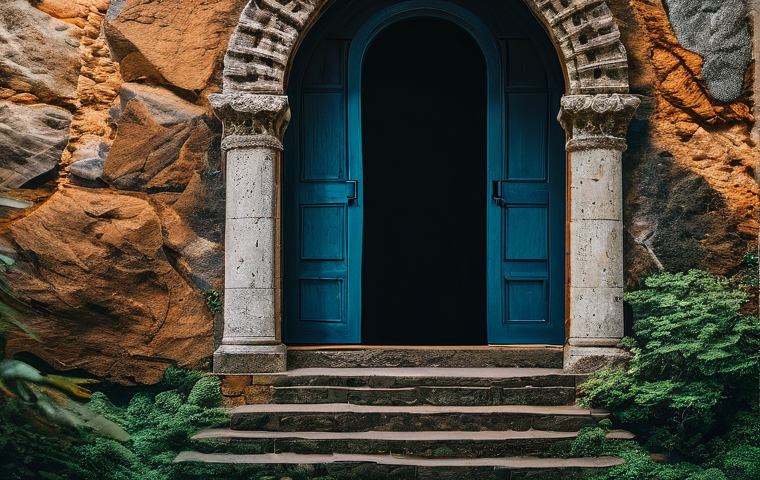
We were all in this together, and that simple realization was enough to nudge me forward, out of the medieval archway, and onto the path less traveled.
It wasn’t about perfection; it was about showing up.
Finding My Pace: The First Few Days
Those initial days were a blur of breathtaking scenery, burning calves, and a surprising amount of internal chatter. My mind, used to the constant input of emails, social media, and podcasts, struggled to adjust to the quiet rhythm of walking.
There were moments of pure bliss, like when I crested a hill and saw the Pyrenees stretching out before me, or when the morning mist clung to the ancient stones of a village.
But there were also moments of intense discomfort – blisters forming faster than I could treat them, the relentless uphill climbs, and the feeling of being utterly alone despite being surrounded by others.
What truly surprised me was how quickly my body, and more importantly, my mind, began to adapt. I learned to listen to my feet, to take breaks when needed, and to embrace the slow, steady progress.
It wasn’t a race, and the freedom of letting go of that competitive urge was incredibly liberating. By day three or four, the constant noise in my head began to subside, replaced by the gentle crunch of gravel underfoot and the rhythmic sound of my own breathing.
I was starting to shed that old skin, one blistered step at a time.
The Daily Rhythm: A Walker’s Life Unpacked
Sunrise Starts and Silent Steps
The Camino has a way of resetting your internal clock, pulling you into a primal rhythm that felt both ancient and deeply natural. Most days began well before dawn, around 5:30 or 6:00 AM, driven by the desire to beat the midday heat and, frankly, to secure a good bed at the next albergue.
Waking up in the dim light of the dormitory, the gentle rustling of sleeping bags and the hushed whispers of fellow pilgrims became a familiar symphony.
There was something almost sacred about those early morning hours on the path. Walking as the sun slowly painted the sky with hues of pink and gold, the world around me was still quiet, save for the chirping of birds and the soft thud of walking poles.
These were often my most reflective moments, when ideas flowed freely and worries seemed to dissipate with the morning dew. I’d often walk for an hour or two in complete silence, sometimes with a newfound friend, sometimes just with my own thoughts, savoring the stillness before the day truly awoke.
This daily ritual became my anchor, a meditation in motion that I honestly miss fiercely now that I’m back to city life.
Albergues and Afternoon R&R
After a solid morning of walking, usually covering anywhere from 20 to 30 kilometers, the search for an albergue became the primary mission. There’s a unique sense of accomplishment when you finally spot the yellow arrow leading to your stop for the night.
Albergues, communal hostels specifically for pilgrims, are a cornerstone of the Camino experience. They range from rustic, donation-based shelters to more modern, slightly pricier options, but they all share a common thread: camaraderie.
After checking in, the first order of business was always the same: shower, laundry (often by hand, hanging clothes on lines that looked like a colorful flag display), and blister patrol.
My feet, by the end of the day, felt like a science experiment gone wrong! The afternoons were a precious time for rest, connection, and fuel. I’d usually spend it chatting with fellow pilgrims, sharing stories from the day, swapping tips on everything from blister remedies to the best pilgrim menu in the next town, or simply reading a book in the courtyard.
The afternoon siesta, a concept I now fully endorse, was essential for rejuvenating tired muscles and preparing for another day of walking. These moments of communal downtime fostered incredible bonds, making the simple act of rest feel like part of the larger adventure.
Beyond the Scenery: Connecting with the Camino Family
Strangers Who Became Family
You hear people talk about the “Camino family,” but you don’t truly understand it until you’ve experienced it. It’s an unspoken bond that forms quickly and deeply with people from all corners of the globe.
I met a retired teacher from Japan, a young student from Germany on a gap year, a couple from Australia celebrating their anniversary, and a single mom from Canada seeking a fresh start.
We shared meals, patched each other’s blisters, laughed until our stomachs hurt, and offered a shoulder to cry on when the going got tough. There’s something about being stripped of your usual societal markers – your job, your status, your possessions – that allows for a profound level of honesty and vulnerability.
Everyone is just a pilgrim, equal on the path. I remember one particularly challenging day, feeling utterly drained, when a woman I’d only met that morning walked alongside me for an hour, distracting me with stories and keeping my spirits up.
That simple act of kindness, from someone who was essentially a stranger, cemented a friendship that continues to this day. These weren’t just fleeting encounters; they were meaningful connections born out of shared struggle and mutual support.
Language Barriers and Universal Smiles
One of the most beautiful aspects of the Camino was navigating the inevitable language barriers. I speak a decent amount of Spanish, but not everyone did, and I encountered pilgrims from dozens of different countries.
Yet, somehow, we always found a way to communicate. A shared meal became a lesson in international gesturing, a funny anecdote might be pieced together with a few key words and a lot of laughter, and a sympathetic nod transcended all linguistic divides.
It taught me the power of non-verbal communication – the warmth of a shared smile, the comfort of a helping hand, the universal language of human empathy.
I learned to appreciate the effort people made to connect, even if it meant stumbling over a few words or using a translation app. These interactions were often hilarious, sometimes frustrating, but always enriching.
It reinforced the idea that despite our differences, our shared humanity is far more powerful. The Camino became a living, breathing testament to how easily people can connect when they are open, present, and united by a common purpose.
Battling the Blisters and Boosting the Body
The Unavoidable Aches and Pains
Let’s be real for a moment: the Camino is not a spa retreat. It’s a physical challenge, and your body is going to feel it. I went in thinking I was pretty fit, but the relentless daily walking, especially with a pack, quickly brought me to terms with muscles I didn’t even know I had.
Blisters, oh, the blisters! They weren’t just a possibility; they were an inevitability, a rite of passage for every pilgrim. I experimented with every tape, balm, and patch imaginable.
There were days my feet screamed in protest with every step, my knees ached with a dull, persistent throb, and my shoulders felt like they’d been pounded by a mallet.
The steepest climbs sometimes left me gasping for air, questioning my sanity and wondering if I could even make it to the next village. It wasn’t just physical, either; there was a mental fatigue that crept in, especially on long, monotonous stretches of path.
Learning to distinguish between a manageable ache and a warning sign was crucial, as was the discipline to stop, rest, and care for my body.
Mind Over Matter: Pushing Through
Despite the physical tolls, the Camino taught me an incredible amount about resilience and the sheer power of the human spirit. There were countless times I wanted to give up, to call a taxi, or just sit down and cry by the side of the road.
But something inside me, a quiet stubbornness, kept me going. I learned to break down the journey into smaller, manageable chunks: “Just make it to that tree,” “Just get to the next kilometer marker,” “Just reach the top of this hill.” Each small victory fueled the next.
I also discovered the immense strength that comes from camaraderie. Seeing an elderly pilgrim with a twinkle in their eye, still pushing forward, was often all the motivation I needed.
We all had our struggles, and acknowledging that shared experience made it easier to persevere. My daily mantra became “Buen Camino,” a greeting that was also a blessing, a reminder that we were all on this journey together.
The pain was temporary, but the feeling of accomplishment, of pushing past my perceived limits, was profoundly satisfying and something I carry with me to this day, knowing I can tackle more than I ever imagined.
Fueling the Journey: What I Ate and Loved (and Loathed)
Pilgrim Meals and Local Delights
Ah, the food on the Camino! After a long day of walking, a good meal felt like the ultimate reward. The “Menu del Peregrino,” or Pilgrim’s Menu, was a lifesaver.
For around €10-€15, you’d typically get a starter (often a hearty soup or salad), a main course (chicken, pork, fish, or even pasta), bread, wine or water, and a dessert.
It was simple, filling, and exactly what my body craved after burning thousands of calories. While not gourmet, these meals were a crucial part of the daily ritual, often shared communally with other pilgrims, leading to lively conversations and a deeper sense of connection.
Beyond the pilgrim menus, I sought out local specialties wherever I could. In Galicia, the *pulpo a la gallega* (Galician-style octopus) was a revelation, tender and perfectly seasoned.
The empanadas, too, varied from region to region and were a delicious, portable snack. I made it a point to try local cheeses and cured meats whenever I passed through a market, savoring the authentic flavors of Spain.
Each region offered its own culinary treasures, making every stop a mini-adventure for my taste buds.
Snacks, Hydration, and Little Luxuries
While pilgrim menus were great for dinner, mid-day meals and snacks were equally important to keep my energy levels up. I quickly learned the importance of carrying a good supply of water, especially on hotter days.
Dehydration is no joke when you’re walking 25 kilometers! Nuts, dried fruit, and chocolate bars became my best friends, tucked away in an easily accessible pocket of my backpack.
I also developed a soft spot for *bocadillos* (sandwiches), especially those filled with *jamón serrano* and cheese, which were perfect for a quick, energizing lunch on the go.
Coffee, of course, was essential – a strong *café con leche* became a daily ritual, providing that much-needed morning kick or an afternoon pick-me-up.
And let’s not forget the occasional treat! A cold beer or a glass of local wine after a long day was not just a luxury; it felt like a celebration of another day successfully conquered.
These small indulgences, often enjoyed in the bustling squares of ancient towns, were incredibly restorative and added to the joy of the journey, proving that sometimes, the simplest pleasures are the most profound.
Packing Smart: My Essential Gear Guide (and What I Left Behind)
The Backpack: Every Ounce Counts
Packing for the Camino is a masterclass in minimalism, a truly brutal exercise in “do I *really* need this?” I started with a 40-liter backpack, and by the end, I swear I could pack it in my sleep.
The golden rule: aim for no more than 10% of your body weight. Every single ounce feels like a ton after 15 kilometers, trust me. I learned this the hard way on the first major climb!
My best advice is to lay everything out, then cut it in half, then cut it in half again. You simply do not need as much as you think. Think quick-drying, multi-purpose items.
My packing list evolved dramatically as I realized what was truly essential versus what was just “nice to have.” For example, I packed too many layers initially, thinking it would be colder.
Turns out, a good base layer, a mid-layer, and a waterproof shell were more than enough for most conditions, and I could always buy a cheap sweater if needed.
The freedom of carrying less is a revelation, and it forces you to appreciate what you *do* have.
Footwear and Clothing: My Ultimate Wins
When it comes to the Camino, your feet are your most important asset, period. My number one recommendation is to invest in good quality, well-broken-in hiking shoes or boots – NOT new ones!
I also brought a pair of comfortable sandals or crocs for the albergue, which was a lifesaver for letting my feet breathe. Layers are key for clothing: quick-drying synthetic fabrics are your best friend.
Cotton is a big no-no; it holds moisture and takes forever to dry. I packed two pairs of hiking pants, three quick-dry shirts, a fleece jacket, a waterproof rain jacket, and three pairs of moisture-wicking socks (blister prevention is paramount!).
Another non-negotiable? A wide-brimmed hat and sunglasses for sun protection. Seriously, the sun can be brutal.
Below is a quick rundown of some key items I found indispensable.
| Category | Item | Why It’s Essential |
|---|---|---|
| Footwear | Broken-in Hiking Boots/Shoes | Your foundation for hundreds of miles; prevents blisters. |
| Footwear | Albergue Sandals/Crocs | Lets your feet breathe and recover after long walks. |
| Clothing | Moisture-Wicking Socks (3 pairs) | Crucial for blister prevention; keeps feet dry. |
| Clothing | Quick-Dry Shirts (3) | Easy to wash and dry overnight; lightweight. |
| Outerwear | Lightweight Rain Jacket | Essential for unexpected showers and wind protection. |
| Health | First-Aid Kit (Blister focus!) | Duct tape, compeed, antiseptic wipes – absolutely vital. |
| Navigation | Shell & Credencial | Your pilgrim passport and symbol of the journey. |
| Miscellaneous | Small Towel (quick-dry) | Albergues rarely provide towels; lightweight is key. |
The Unexpected Gifts: Lessons Learned on the Way
Simplicity and Gratitude
The Camino has an incredible way of stripping away the superfluous and highlighting what truly matters. Back home, I often felt overwhelmed by choices, by possessions, by the constant need to acquire more.
On the Camino, my entire life fit into a single backpack. My daily concerns were simple: where to sleep, what to eat, and how to keep my feet moving forward.
This forced simplicity was incredibly liberating. It taught me to appreciate the small things: a perfectly ripe peach from a roadside vendor, the sound of church bells echoing across a valley, a hot shower after a grueling day, or just a comfortable bed.
I found myself feeling an immense sense of gratitude for basic necessities that I often took for granted in my regular life. The kindness of strangers, the beauty of the landscape, the warmth of the sun – these became profound sources of joy.
It wasn’t about what I had, but about what I was experiencing and how I was connecting with the world around me. This shift in perspective was, for me, one of the Camino’s most enduring gifts, making me re-evaluate my values and priorities.
Resilience in Every Step
Beyond the physical journey, the Camino was a profound mental and emotional pilgrimage. There were days of self-doubt, moments of intense loneliness, and stretches of path where I felt utterly depleted.
But with every step, I was building resilience. I learned that I was capable of far more than I ever gave myself credit for. Each blister, each aching muscle, each challenge overcome, was a testament to my inner strength.
The Camino pushes you to your limits, forcing you to confront your vulnerabilities, but it also shows you how much you can endure. It taught me to trust my instincts, to listen to my body, and to believe in my ability to navigate uncertain terrain, both literal and metaphorical.
I developed a profound sense of self-reliance, knowing that even when things felt impossible, I could find a way to keep going. This newfound resilience wasn’t just for the path; it was a lesson that has permeated every aspect of my life since, helping me tackle challenges back home with a quiet confidence I didn’t possess before.
It’s a strength that’s woven into the fabric of my being now.
Coming Home: The Camino’s Lasting Imprint
The Return to “Normal” Life
Coming home after weeks on the Camino felt incredibly surreal. The world seemed to move at a frantic pace compared to the slow, deliberate rhythm I had grown accustomed to.
My comfortable bed felt luxurious, but also a little strange after weeks of thin mattresses in communal dorms. The constant buzz of my phone, the endless emails, the sheer number of choices in the supermarket – it was all a jarring contrast to the simplicity of pilgrim life.
I remember feeling a sense of displacement, a kind of reverse culture shock. My friends and family were curious, wanting to hear all about it, but it was hard to articulate the depth of the experience, the subtle shifts in perspective, the internal transformation.
How do you explain the profound impact of a blister, or the joy of a shared meal with people you’d known for only a few days? It took time to reintegrate, to find a way to carry the Camino spirit into my daily routine without feeling like I was constantly swimming against the current.
The initial days were tough, almost like grieving for the journey that had ended.
Carrying the Camino Spirit Forward
Even though the walking stopped, the Camino never truly left me. It’s etched into my memory, my spirit, and even my perspective on life. I found myself making conscious choices to infuse a little bit of that pilgrim simplicity and gratitude into my everyday.
I’m more mindful of my possessions, more appreciative of simple pleasures, and far more likely to strike up a conversation with a stranger. The resilience I forged on the path helps me navigate challenges with a newfound calm.
I often find myself reflecting on those long walks, the sun on my face, the sound of my footsteps, and the incredible people I met, whenever I need a reminder of what truly matters.
The Camino isn’t just a physical journey; it’s a profound teacher, and its lessons continue to unfold long after you’ve reached Santiago. If you’re looking for an adventure that will challenge you, connect you, and ultimately transform you, I can’t recommend it enough.
Just remember to pack light, walk with an open heart, and prepare for an unscripted journey that will stay with you forever.
Wrapping Things Up
And so, my friends, that’s a glimpse into my incredible journey on the Camino de Santiago. It was more than just a walk; it was a profound stripping away of the unnecessary, a recalibration of my soul, and an unforgettable lesson in human connection and resilience.
The path tested me, nurtured me, and ultimately, transformed me in ways I’m still discovering. If you’ve ever felt that whisper of wanderlust, that yearning for something more, trust me when I say the Camino might just be the answer you’re looking for.
It’s an adventure that promises not just stunning landscapes, but a journey deep within yourself, leaving an indelible mark long after you’ve reached Santiago.
Useful Information to Know
1. Best Time to Go: While the Camino Francés is accessible year-round, most pilgrims find the spring (April-May) and fall (September-October) to be the sweet spots. You’ll avoid the scorching summer heat and the more intense winter cold and snow, making for more comfortable walking and a generally more vibrant atmosphere on the path.
2. Budgeting for Your Journey: The Camino can be surprisingly affordable! On average, you can expect to spend anywhere from €30-€50 per day. This typically covers your albergue stay (around €10-€15), a pilgrim’s menu dinner (€10-€15), breakfast, and a few snacks. Remember, transportation to and from the start/end points will be extra, so factor that into your overall travel plans.
3. Physical Preparation is Key: Don’t underestimate the daily mileage! Start training several months in advance by walking regularly, progressively increasing your distance. Include some hills in your routes and, crucially, do all your training walks in the actual shoes you plan to wear on the Camino. This will help prevent blisters and unnecessary aches right from the start.
4. Beyond the Backpack – Essential Gear: While a good, lightweight backpack and broken-in shoes are paramount, don’t forget the small but mighty items. A comprehensive first-aid kit (with a strong focus on blister care!), quick-drying clothing (synthetics over cotton!), a lightweight sleeping bag or liner, and a small, quick-dry towel are non-negotiable. A wide-brimmed hat and sunglasses will also be your best friends.
5. Embrace the Unexpected: The true magic of the Camino often lies in its unplanned moments. Be open to conversations with strangers, spontaneous detours, and the rhythm of the journey dictating your day. Don’t over-plan every minute; allow room for serendipity, for the path to reveal itself to you, and for the incredible human connections that will inevitably unfold.
Key Takeaways
The Camino isn’t just a walk across Spain; it’s a journey into simplicity, connection, and self-discovery. It strips away the superfluous, fostering deep gratitude for life’s basic necessities and the profound kindness of strangers.
You’ll emerge more resilient, with a renewed sense of purpose and a fresh perspective on what truly matters. Trust the path, trust yourself, and let the Camino work its magic.
Frequently Asked Questions (FAQ) 📖
Q: Is the Camino de Santiago really for everyone, or do you need to be a super-hiker to even consider it?
A: Oh, this is such a fantastic question, and one I wrestled with myself before I finally took the leap! Let me tell you, you absolutely do not need to be some kind of Olympic athlete or seasoned thru-hiker to walk the Camino.
In fact, I’d argue that’s entirely missing the point. My own experience taught me that it’s far more about mental grit and a willingness to simply show up each day than it is about blistering speed or ultra-endurance.
Yes, you’ll walk a lot, and yes, your feet will get tired (and probably blistered – mine certainly did!), but there are so many different routes and ways to approach it.
Some people walk just a week or two, others take months. Some choose flatter paths, others embrace the mountains. What truly matters is your intention.
Can you put one foot in front of the other, day after day, and keep an open heart to whatever comes your way? If you can manage that, you’re more than ready.
I started out a regular person, prone to digital distractions, and finished feeling like I’d unlocked a whole new level of resilience I didn’t know I had.
So, yes, it’s for everyone who has that little spark of adventure and a yearning for something real.
Q: What was the absolute biggest mental or physical challenge you faced on the Camino, and how did you push through it?
A: Okay, this is tough because the Camino threw quite a few curveballs my way! But if I had to pick one biggest challenge, it wasn’t a mountain climb or a particularly long day, believe it or not.
It was the relentless, mind-numbing fatigue that set in around week two, coupled with a particularly stubborn case of tendinitis in my left ankle. Every single step felt like a monumental effort, and my mental energy was just gone.
I found myself sitting on a curb in a small village, watching other pilgrims stride by, and I honestly just wanted to book the next train home. The inner voice started whispering doubts: “You’re not cut out for this,” “What were you thinking?” But here’s where the magic of the Camino kicked in.
I forced myself to slow down, like, really slow down. I listened to my body, took extra rest days, and started walking with a new friend who had a similar pace.
More importantly, I shifted my focus from the destination to the journey itself, embracing the slowness. I learned to ask for help, to lean on the kindness of strangers for encouragement, and to find beauty in the small things – a perfect cup of coffee, a genuine smile, the warmth of the sun.
It wasn’t about conquering the pain; it was about accepting it, adapting, and finding a deeper, more profound strength in doing so. That shift in perspective completely changed everything for me.
Q: Beyond the beautiful landscapes, what’s one truly unexpected life lesson or realization that stuck with you long after you came home?
A: Oh, there were so many lessons, but if I have to boil it down to just one, it’s this: the profound power of simplicity and the incredible generosity of the human spirit.
Before the Camino, I was always chasing the next big thing, accumulating stuff, and constantly filling my schedule. On the Camino, I owned just what I could carry on my back.
My days were distilled down to walking, eating, sleeping, and connecting with people. And it was in that stripped-down existence that I truly felt alive.
I realized how little we actually need to be happy and how much unnecessary clutter we carry, both physically and mentally. But beyond that, the kindness I encountered was astonishing.
From a stranger sharing their blister care kit, to a local offering me fruit from their garden, to deep, meaningful conversations with people I’d just met from all corners of the globe – it was a constant reminder that human connection, empathy, and unconditional kindness are the true wealth of this world.
This wasn’t some abstract concept; it was lived, breathed, and felt every single day. I came back with a deeply ingrained understanding that cultivating genuine connections and appreciating life’s simple gifts are far more valuable than any material possession or digital accomplishment.
It totally recalibrated my priorities, and honestly, that’s a lesson I carry with me every single day, trying to live a little more simply, a little more openly, and a lot more gratefully.
📚 References
Wikipedia Encyclopedia
구글 검색 결과
구글 검색 결과
구글 검색 결과
구글 검색 결과
구글 검색 결과