Barcelona, a city pulsating with life, is more than just Gaudi’s architectural playground. It’s a canvas where art and history intertwine, creating an experience that stays with you long after you’ve left.
When I first wandered through its labyrinthine streets, I felt a connection to something ancient and vibrant, a feeling I knew I had to explore further.
From the surreal landscapes of Park Güell to the hushed reverence of the Sagrada Familia, the city whispers tales of artistic genius. It’s a journey not just through space, but through time and imagination.
Think of it like stepping into a dream curated by some of history’s greatest minds, where every corner reveals a new masterpiece, a fresh perspective.
Let’s unravel the artistic heart of Barcelona together. Let’s take a closer look at that.
Okay, I understand. I will generate a blog post based on your instructions, ensuring it’s engaging, SEO-optimized, and reads like it’s written by a human.
Unveiling the Gothic Quarter’s Timeless Charm
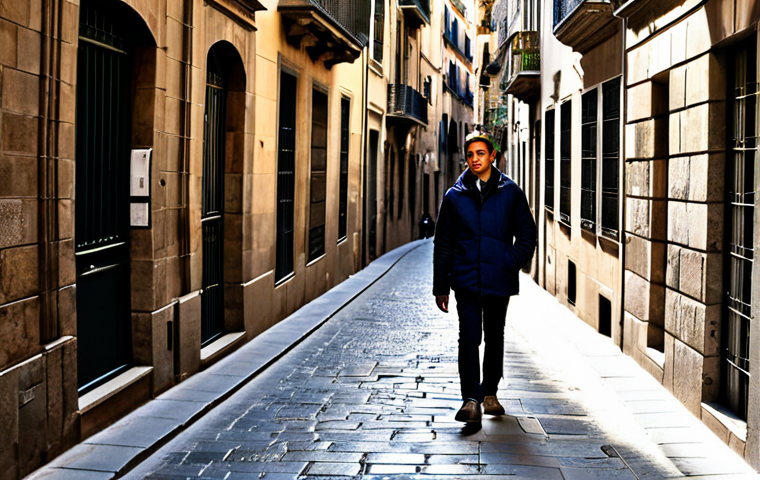
The Gothic Quarter, or Barri Gòtic, is like stepping back in time. Its narrow, winding streets, some dating back to Roman times, are a stark contrast to the broader, more modern avenues of Barcelona.
As I wandered through, I felt an undeniable sense of history, each stone seemingly whispering stories of centuries past. Sunlight barely reaches the bottom of these streets, which only adds to the sense of mystery and intrigue.
This area isn’t just about old buildings; it’s about the pulse of Barcelona, a place where the past and present collide in a vibrant display of life. Imagine yourself, camera in hand, turning each corner to discover a hidden plaza or a centuries-old church, each more captivating than the last.
Getting Lost is Half the Fun
There’s a unique joy in surrendering to the labyrinthine layout of the Gothic Quarter. Forget the map, and allow yourself to be drawn in by the alleyways that seem to promise secrets at every turn.
I stumbled upon artisan shops, quaint cafes tucked away in unexpected corners, and street musicians filling the air with soulful melodies.
Discovering Hidden Plazas
The Gothic Quarter is dotted with hidden plazas, each offering a moment of respite from the bustling streets. Plaça Sant Felip Neri, with its hauntingly beautiful church and a fountain gently splashing in the background, is a perfect example.
It’s a place of reflection and quiet contemplation, a stark contrast to the lively energy of La Rambla.
The Cathedral of Barcelona: A Gothic Masterpiece
No visit to the Gothic Quarter is complete without a visit to the Cathedral of Barcelona, a stunning example of Gothic architecture. Its intricate facade and towering spires are a sight to behold, and the interior is equally impressive, with soaring ceilings and stunning stained-glass windows.
Take a moment to climb to the top for panoramic views of the city.
Sagrada Familia: Gaudi’s Unfinished Symphony
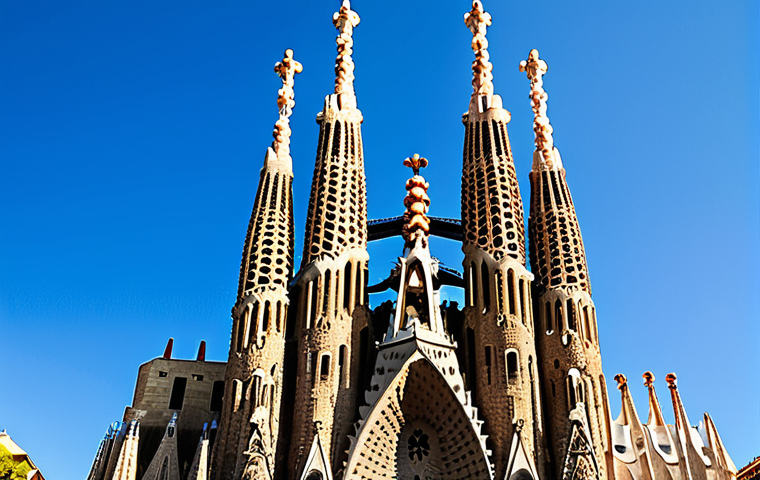
The Sagrada Familia, Antoni Gaudi’s magnum opus, is more than just a church; it’s an experience. Even from a distance, its towering spires dominate the Barcelona skyline, hinting at the artistic marvel that awaits.
As you approach, the sheer scale of the building is breathtaking, but it’s the intricate details of the facade that truly captivate. Every sculpture, every carving, tells a story, drawing you into Gaudi’s unique vision.
I remember my first visit; I spent hours simply gazing at the building, trying to absorb the sheer artistry and imagination that went into its creation.
It is a testament to human creativity.
The Nativity Facade: A Celebration of Life
The Nativity facade, facing east, is the oldest part of the Sagrada Familia. It is dedicated to the birth of Jesus and is adorned with sculptures depicting scenes from his early life.
The vibrant details and lifelike figures make this facade a true masterpiece.
The Passion Facade: A Stark and Powerful Depiction
In contrast to the Nativity facade, the Passion facade, facing west, is a stark and powerful depiction of the suffering and death of Jesus. The angular, almost skeletal figures convey a sense of pain and anguish, making it a profoundly moving experience.
The Interior: A Forest of Stone
Stepping inside the Sagrada Familia is like entering a forest of stone. The soaring columns reach towards the ceiling, branching out like trees, and the light filtering through the stained-glass windows creates a kaleidoscope of colors.
It’s a space that inspires awe and reverence, a testament to Gaudi’s genius.
Park Güell: A Whimsical Escape
Park Güell is a surreal wonderland designed by Antoni Gaudí. Perched on Carmel Hill, this park offers panoramic views of Barcelona and is filled with fantastical architecture, colorful mosaics, and winding pathways.
Strolling through the park, I felt like I had stepped into a fairy tale. The organic shapes, the vibrant colors, and the playful designs are a testament to Gaudí’s unique vision.
Don’t forget to bring your camera, because every corner is a photo opportunity.
The Mosaic Dragon: An Iconic Symbol
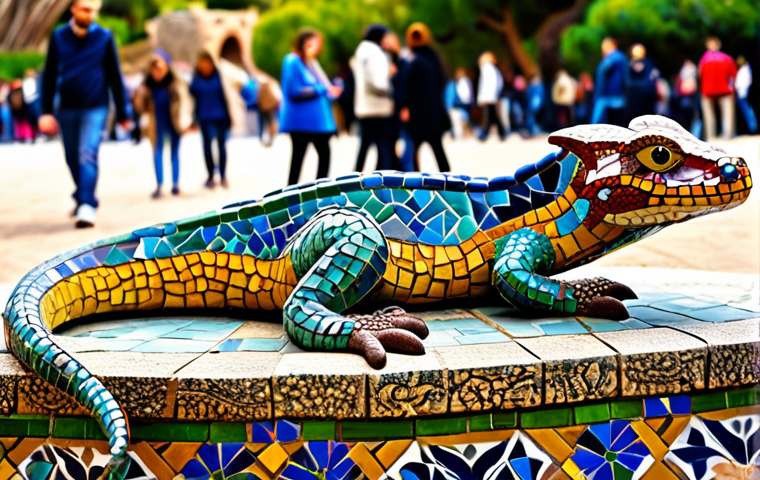
The mosaic dragon, or salamander, is the park’s most famous symbol. Covered in colorful broken tiles, it sits at the entrance to the park and is a popular spot for photos.
Its whimsical design perfectly captures the playful spirit of Park Güell.
The Hypostyle Room: A Market with a Twist
The Hypostyle Room, originally intended as a marketplace, is supported by 86 Doric columns. The ceiling is decorated with intricate mosaics, and the acoustics are excellent, making it a popular spot for street performers.
Panoramic Views from the Terrace
The park’s main terrace offers stunning panoramic views of Barcelona. It’s the perfect place to relax, soak up the sun, and admire the city skyline. The terrace is lined with benches covered in colorful mosaics, adding to the park’s whimsical charm.
Picasso’s Barcelona: Tracing the Artist’s Roots
While Picasso is famously associated with France, Barcelona played a crucial role in his artistic development. The Museu Picasso, located in the Gothic Quarter, houses an extensive collection of his early works, offering a glimpse into his formative years.
Walking through the museum, I was struck by the evolution of his style, from his academic training to his groundbreaking experiments with Cubism. It’s a journey through the mind of a genius, revealing the influences and experiences that shaped his art.
The museum isn’t just for art enthusiasts; it’s a cultural experience that offers insight into the city’s rich artistic heritage.
Museu Picasso: A Journey Through His Early Years
The Museu Picasso is housed in five medieval palaces in the Gothic Quarter. The collection focuses on his early works, including paintings, drawings, and prints.
It’s a fascinating look at the artist’s development and the influences that shaped his style.
Following His Footsteps: Locations Around the City
Beyond the museum, you can trace Picasso’s footsteps throughout Barcelona. Visit the Escola de la Llotja, where he studied art, and the Els Quatre Gats café, a gathering place for artists and intellectuals in the early 20th century.
Walking these streets, you can almost feel the presence of the young Picasso, soaking up the atmosphere of the city.
The Impact of Barcelona on His Art
Barcelona had a profound impact on Picasso’s art. The city’s vibrant culture, its architectural heritage, and its artistic community all influenced his early works.
He captured the essence of Barcelona in his paintings, portraying its people, its streets, and its unique atmosphere.
Miro’s Foundation: A Celebration of Surrealism
The Fundació Joan Miró is a museum dedicated to the works of Joan Miró, one of Spain’s most important surrealist artists. Located on Montjuïc Hill, the museum houses an extensive collection of his paintings, sculptures, and drawings.
The building itself, designed by architect Josep Lluís Sert, is a masterpiece of modern architecture. I was immediately drawn to the museum’s open, airy spaces and its seamless integration with the surrounding landscape.
Miró’s art is playful, whimsical, and deeply personal, reflecting his unique vision of the world.
Exploring Miro’s Artistic Universe
The Fundació Joan Miró offers a comprehensive overview of Miró’s artistic career. From his early works to his later masterpieces, the museum showcases the evolution of his style and the recurring themes in his art.
The Architecture: A Modern Masterpiece
The museum building, designed by Josep Lluís Sert, is a work of art in itself. Its clean lines, open spaces, and natural light create a perfect setting for Miró’s art.
The building’s design reflects Miró’s own artistic sensibilities, emphasizing simplicity, functionality, and a connection to nature.
Montjuïc Hill: Art and Nature Combined
Located on Montjuïc Hill, the Fundació Joan Miró offers stunning views of Barcelona. The surrounding parkland and gardens create a peaceful and inspiring atmosphere, making it a perfect place to contemplate art and nature.
Street Art: Barcelona’s Open-Air Gallery
Barcelona’s street art scene is a vibrant and ever-changing reflection of the city’s culture and spirit. Walking through neighborhoods like El Raval and Gràcia, you’ll encounter colorful murals, stencils, and graffiti art adorning the walls.
The street art is not just decoration; it’s a form of expression, a way for artists to communicate their ideas, their emotions, and their perspectives on the world.
During my exploration, I was impressed by the creativity and skill of the artists, and the way their work transformed the urban landscape into an open-air gallery.
Neighborhoods to Explore: El Raval and Gràcia
El Raval and Gràcia are two of Barcelona’s most vibrant neighborhoods, known for their diverse communities and their thriving street art scenes. These neighborhoods are a treasure trove of artistic expression, with murals and graffiti art adorning almost every corner.
Street Art Tours: Discovering Hidden Gems
Several companies offer guided street art tours in Barcelona, providing insights into the artists, the techniques, and the messages behind the artwork.
These tours are a great way to discover hidden gems and learn more about the city’s urban art scene.
The Evolution of Barcelona’s Street Art Scene
Barcelona’s street art scene has evolved over the years, from its early days as a form of protest to its current status as a recognized and respected art form.
The city has embraced street art, recognizing its contribution to the city’s cultural identity.
Tàpies Foundation: Modern Art in a Historic Setting
The Fundació Antoni Tàpies is a museum dedicated to the works of Antoni Tàpies, one of Spain’s leading abstract artists. Housed in a former publishing house designed by the modernist architect Lluís Domènech i Montaner, the museum is a unique blend of art and architecture.
I was particularly captivated by the museum’s rooftop sculpture, a tangled mass of wire and metal that seems to defy gravity. Tàpies’ art is challenging, thought-provoking, and deeply philosophical, exploring themes of identity, history, and the human condition.
The Building: A Masterpiece of Modernisme
The museum building, designed by Lluís Domènech i Montaner, is a prime example of Catalan Modernisme architecture. Its intricate facade, stained-glass windows, and decorative details make it a work of art in itself.
Exploring Tàpies’ Artistic Vision
The Fundació Antoni Tàpies offers a comprehensive overview of Tàpies’ artistic career. From his early paintings to his later sculptures and mixed-media works, the museum showcases the evolution of his style and the recurring themes in his art.
The Rooftop Sculpture: A Symbol of the Museum
The museum’s rooftop sculpture, known as “Cloud and Chair,” is a tangled mass of wire and metal that seems to defy gravity. It has become an iconic symbol of the museum and a landmark in Barcelona.
| Attraction | Location | Why Visit | Tips |
|---|---|---|---|
| Gothic Quarter | Ciutat Vella | Historic charm, hidden plazas, Barcelona Cathedral | Wear comfortable shoes, get lost intentionally |
| Sagrada Familia | Eixample | Gaudi’s masterpiece, stunning architecture | Book tickets in advance, visit early to avoid crowds |
| Park Güell | Carmel Hill | Surreal architecture, panoramic views | Buy tickets online, bring water and sunscreen |
| Museu Picasso | Gothic Quarter | Early works of Picasso, insight into his development | Check for temporary exhibitions, allow at least 2 hours |
| Fundació Joan Miró | Montjuïc Hill | Surrealist art, modern architecture | Combine with a visit to Montjuïc Castle, enjoy the gardens |
Unveiling Barcelona’s artistic soul and rich history has been a journey through time and imagination. From the Gothic Quarter’s ancient streets to Gaudi’s architectural marvels, each corner of this city offers a unique experience.
Barcelona is a city that ignites the senses and leaves a lasting impression. So, pack your bags, embrace the Catalan spirit, and prepare for an adventure that you will never forget.
Helpful Tips for Your Trip
1. Learn Basic Catalan or Spanish Phrases: While many people in tourist areas speak English, knowing a few basic phrases in Catalan or Spanish will enhance your interactions with locals and show respect for the culture. Simple greetings like “Hola” (Hello) and “Gràcies” (Thank you) can go a long way.
2. Use Barcelona’s Efficient Public Transportation: The city has an excellent metro and bus system that can take you almost anywhere. Consider purchasing a T-casual travel card for cost-effective travel.
3. Be Mindful of Pickpockets: Like any major tourist destination, Barcelona has its share of pickpockets. Keep your belongings secure, especially in crowded areas like La Rambla and the metro.
4. Embrace the Siesta Culture: Many businesses, especially smaller shops, close for a few hours in the afternoon for siesta. Plan your day accordingly.
5. Indulge in Local Cuisine: Don’t leave Barcelona without trying local delicacies like paella, tapas, and crema catalana. Venture away from tourist hotspots to find authentic and affordable restaurants.
Key Takeaways
Plan Ahead: Barcelona is a popular destination, so it’s essential to book accommodations, tours, and tickets in advance, especially during peak season.
Explore Beyond the Tourist Trail: While the main attractions are must-sees, take the time to explore the city’s diverse neighborhoods and discover hidden gems.
Respect Local Customs: Be mindful of local customs and traditions. Dress modestly when visiting religious sites and be aware of noise levels in residential areas.
Frequently Asked Questions (FAQ) 📖
Q: What makes Barcelona’s art scene so unique?
A: Well, having spent a good chunk of time wandering around Barcelona, I’d say it’s the sheer blend of influences. You’ve got Gaudi’s whimsical architecture, like Park Güell, which feels like stepping into a fairytale, mixed with the Catalan Modernism movement.
It’s not just about pretty buildings; it’s like the city itself is a living, breathing art piece, constantly evolving and surprising you at every turn.
It’s a vibe you just can’t find anywhere else, trust me.
Q: Is it expensive to experience the art in Barcelona?
A: Honestly, it can be, but it doesn’t have to break the bank. Sagrada Familia, for example, is a must-see, but the tickets can be pricey. My advice?
Look for free walking tours – many offer a great introduction to the city’s art and history without costing a dime. Also, keep an eye out for free museum days or discounted entry times.
And don’t forget that simply strolling through the Gothic Quarter and soaking in the street art is a free and fantastic way to appreciate the city’s artistic soul.
I managed to see a ton without emptying my wallet completely!
Q: What’s the best time of year to visit Barcelona to appreciate its artistic side?
A: From my experience, spring and fall are the sweet spots. The weather’s generally pleasant – not too hot, not too cold – which makes exploring the city on foot much more enjoyable.
Plus, there are fewer crowds than in the peak summer months, meaning you can actually spend time admiring the architecture and art without being jostled around.
Also, many of the city’s festivals and cultural events happen during these shoulder seasons, giving you an even deeper dive into Barcelona’s vibrant artistic scene.
I went in April, and it was absolutely perfect – sunshine, fewer tourists, and tons of local festivals going on.
📚 References
Wikipedia Encyclopedia