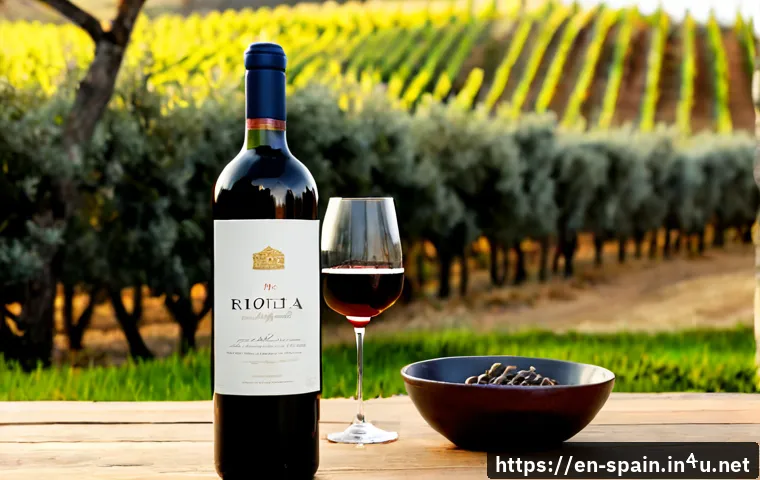
Rioja is usually the safer choice for classic oak-aged red wine, while Catalonia offers broader options—from Priorat reds to Cava sparkling wine. Compare styles, grapes, food pairings, labels, and value before buying.
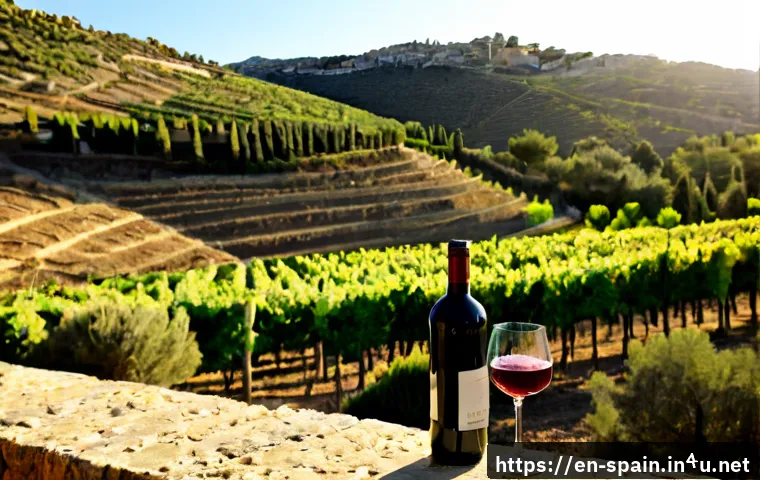
Rioja is usually the quickest choice for a classic Spanish red with an oak-aged identity, especially when Tempranillo is what you want. Choose Catalonia when you want more range: Cava for sparkling wine, Priorat for concentrated reds, or a broader selection of regional styles.
For a casual dinner or a restaurant wine list, Rioja’s aging terms can make comparison easier. For celebrations, seafood, or an aperitif, Cava is often the more direct category to explore.
Priorat may appeal when the goal is a powerful red or a more premium-looking gift, but the producer, vintage, storage, and bottle condition still matter.
Compare the label details rather than assuming that a regional name alone determines quality or value.
At a Glance
- Choose Rioja for Spanish red wine where Tempranillo and oak-aging classifications are useful buying cues.
- Choose Cava from Catalonia when your priority is Spanish sparkling wine made with traditional bottle fermentation.
- Choose Priorat when you are looking for a concentrated Catalan red, commonly associated with Garnacha and Cariñena.
| Buying Question | Rioja | Catalonia Wine |
|---|---|---|
| What does the name describe? | A Spanish DOCa wine region with recognized aging classifications on some labels. | A broad wine-producing area, not one single wine style or appellation. |
| Most useful style cue | Tempranillo-led red wine and terms such as Crianza, Reserva, or Gran Reserva. | Look for the specific category or area: Cava, Priorat DOQ, or another protected wine area. |
| Typical buying purpose | Oak-aged red wine for dinner, a gift, or a structured restaurant wine-list choice. | Sparkling wine, concentrated reds, or a wider range of Spanish wine styles. |
| Food direction | Consider with grilled meats, slow-cooked dishes, tapas, or roasted vegetables. | Consider Cava for aperitifs and seafood; consider Priorat for richer meat dishes. |
| Value comparison | Compare aging term, vintage, producer, bottle condition, and retailer details. | Compare the specific appellation, wine type, grapes, production details, and merchant conditions. |
The Short Answer: Choose Rioja for Classic Oak-Aged Reds and Catalonia for Wider Variety
Rioja is the more straightforward starting point if you want a traditional Spanish red with a recognizable aging vocabulary. Rioja is a Spanish Denominación de Origen Calificada, or DOCa, and it is best known for red wines in which Tempranillo is commonly a leading grape variety. Its vineyard areas extend through La Rioja and parts of the Basque Country and Navarre.
Catalonia is the broader shopping route. A shelf tag saying “Catalonia wine” does not identify one fixed taste, grape, or quality level. It may lead you toward Cava, Priorat DOQ, or another regional wine. That variety is useful, but it also means the buyer must read beyond the regional reference.
The Quickest Choice by Taste Preference
Want an oak-aged red and an easier label comparison? Start with Rioja. Want bubbles? Start with Cava. Want a concentrated red commonly linked to Garnacha and Cariñena? Look at Priorat. These are practical starting points, not guarantees of flavor, because vineyard site, producer, vintage, storage, and bottle condition can all change the final experience.
What “Catalonia Wine” Can Mean on a Shop Shelf
Catalonia is a region with multiple wine identities. Cava is a Spanish sparkling-wine category traditionally made by bottle fermentation and has an important historical center in Catalonia, although it is produced in several Spanish regions. Priorat DOQ is a notable protected wine area associated with concentrated red wines. Other Catalan bottles may offer still more variety, so the specific appellation and wine type should guide the purchase.
Rioja and Catalonia at a Glance: Style, Grapes, and Food Pairings
Typical Rioja Red Profiles and the Role of Tempranillo
Tempranillo is commonly a leading grape in Rioja red wine. For buyers who enjoy oak influence, Rioja’s aging classifications provide a useful first filter. They are regulated regional terms, but they should not replace a full label review. A bottle’s producer, vintage, and storage history remain important when comparing two Rioja options.
For dinner, Rioja can be a sensible restaurant wine-list choice when the table is ordering grilled meat, roasted vegetables, tapas, pasta, or slow-cooked dishes. Still, the sauce, spice level, sweetness, and serving temperature can affect the match. A spicy or sweet sauce may call for a different approach than the base ingredient alone suggests.
Cava, Priorat, and Other Catalan Wine Options
Cava creates a separate buying path because it is sparkling wine. It can fit celebrations, aperitifs, and seafood meals where bubbles are the main priority. When comparing Cava through an online wine retailer or on a restaurant list, check the bottle’s category details rather than treating “Catalonia” as the only useful description.
Priorat offers another clear path. It is widely associated with concentrated red wines, often made with Garnacha and Cariñena. That makes it a natural category to investigate for a rich meal, a substantial gift, or a bottle intended for more deliberate consideration. It does not mean every Priorat bottle will taste alike or should be aged for the same amount of time.
Comparison Table: Body, Oak, Acidity, Tannin, Bubbles, and Serving Occasions
| Factor | Rioja Red | Priorat Red | Cava |
|---|---|---|---|
| Primary cue | Tempranillo and Rioja aging terminology | Concentrated red-wine identity; often Garnacha and Cariñena | Sparkling wine made traditionally by bottle fermentation |
| Oak cue | Aging terms can be useful label guidance | Check the individual producer and wine details | Check the individual bottle information |
| Bubbles | No | No | Yes |
| Occasion | Dinner, gifts, red-wine restaurant orders | Rich meals, bold-red gifts, focused tasting | Celebrations, aperitifs, seafood meals |
Value and Price Signals: What You Are Paying For
How Crianza, Reserva, and Gran Reserva Can Guide a Rioja Purchase
Rioja labels may use Crianza, Reserva, and Gran Reserva classifications under regional production rules. These terms can help organize a wine-shop search when you are specifically seeking a more oak-aged Rioja red. They are especially useful when comparing several bottles from the same retailer or scanning a restaurant wine list quickly.
However, an aging statement is not a complete quality score. Do not assume that a higher classification automatically fits your taste, meal, budget, or desired drinking window. Compare the producer, vintage, grape information where available, and the condition in which the bottle has been stored and shipped.
Why Priorat, Traditional-Method Sparkling Wine, and Limited-Production Bottles May Cost More
A bottle’s retail price can reflect many factors, including country, local taxes, importer arrangements, merchant margin, and availability. A concentrated Priorat red, a traditionally bottle-fermented sparkling wine, or a limited-production bottle may appear in a higher price tier, but price alone does not settle the value question.
Instead, decide what you are buying: a specific red-wine structure, sparkling-wine occasion, producer style, or gift presentation. This approach makes a wine price comparison more useful than simply sorting an online wine retailer’s results from low to high.
How to Compare Bottles Without Relying on Price Alone
Use a short label checklist. Look for the appellation, grapes, vintage, aging statement, alcohol level, and importer information. Then ask whether the bottle suits the meal or occasion. For online ordering, also review bottle size, shipping rules, availability, and return policy before checkout.
Buying Mistakes to Avoid When Reading Spanish Wine Labels
Confusing a Broad Regional Reference With a Specific Appellation
“Catalonia” is not a single style promise. If you want sparkling wine, look for Cava. If you want the concentrated red-wine association of Priorat, look for Priorat DOQ. If a label gives only a broad regional cue, read further before expecting a particular style.
Assuming an Older Vintage Is Automatically Better
An older vintage is not automatically the better purchase. Wine quality and aging potential vary by producer, vineyard site, vintage, storage, and bottle condition. This matters even more for gift purchases or bottles intended for future drinking.

Ignoring Storage, Shipping Conditions, and Restaurant Markup
A carefully chosen wine can still disappoint if its condition is uncertain. Ask a merchant how the bottle has been handled when that information is available. When ordering online, check shipping conditions and policies. In a restaurant, recognize that the listed price includes the restaurant’s own pricing structure, so compare the wine’s fit for the meal rather than expecting retail-style value.
Which Bottle Fits Your Meal, Budget, or Gift Occasion?
Weeknight Pasta, Tapas, and Roasted Vegetables
A Rioja red can be a practical choice when you want a familiar Spanish red-wine direction and a label with aging cues. For tapas or roasted vegetables, the sauce and seasoning should guide the final selection. A younger, more fruit-forward Rioja may be worth considering when oak emphasis is not the goal, while a classified bottle may suit a more deliberate meal.
Grilled Meats and Rich Slow-Cooked Dishes
For grilled meats or rich, slow-cooked dishes, Rioja and Priorat can both be relevant categories. Choose Rioja when the appeal is a classic oak-aged red framework. Explore Priorat when you want the concentrated red style associated with Garnacha and Cariñena. The dish’s sauce, spice, and sweetness should make the final call.
Celebrations, Aperitifs, and Seafood Meals
Cava is the direct Catalan-linked route for sparkling wine. Its bottle-fermented tradition makes it a category to consider for celebrations, aperitifs, and seafood. If you are comparing it with other sparkling wines, focus on the specific bottle, its style information, service plan, and the occasion rather than making a blanket quality assumption.
Wine Gifts and Bottles Intended for Further Aging
For a gift, Rioja can be easy to explain because the aging classifications offer a recognizable story. Priorat can suit someone who prefers concentrated reds. For either choice, confirm the vintage, producer, bottle condition, and intended drinking timing. A regional name or an impressive-looking label is not enough evidence that a bottle will improve with further aging.
Selection Criteria and Final Comparison Summary
Choose Rioja if You Want Predictable Red-Wine Structure and Oak Influence
Rioja is often the clearer choice when you want a Spanish red purchase built around Tempranillo and recognizable aging terms. It is particularly useful for buyers comparing several red bottles under time pressure at a shop or on a wine list.
Choose Catalan Wine if You Want Sparkling Wine, Bolder Mediterranean Reds, or More Stylistic Range
Catalonia is the better broad category when you want choices that reach beyond one red-wine pattern. Use Cava for sparkling wine, Priorat for concentrated reds, and the specific appellation on other bottles to narrow the selection.
Final Bottle Checklist Before Checkout or Ordering From a Wine List
Check the occasion, specific appellation or category, grapes, vintage, aging statement, and bottle condition. When comparing retailers, compare vintage, bottle size, shipping rules, and return policy. For a restaurant order, ask where on the list the Rioja, Cava, or Priorat appears and request the bottle details before choosing.
Before You Buy: Selection Criteria and Comparison Summary
Make the decision in this order: first choose red or sparkling; next choose Rioja, Cava, or Priorat; then review the producer, vintage, label details, and bottle condition. For Rioja, decide whether an aging term matters to you. For Catalan wine, confirm the specific category instead of relying on the broad regional name. Before placing an order, compare vintage, bottle size, shipping rules, and return policy. Check the retailer or restaurant listing for the full bottle details and current terms.
In Closing
Rioja and Catalonia are not direct one-for-one competitors because Catalonia includes several distinct wine paths. Rioja is a focused route toward classic Spanish red wine and label-based aging cues. Catalonia gives you Cava, Priorat, and wider regional variety. The best purchase is the bottle whose style, label information, condition, and serving occasion align.
Useful Things to Know
1. Rioja is a DOCa, while Catalonia is a broad wine-producing area.
2. Crianza, Reserva, and Gran Reserva are Rioja aging classifications subject to regional rules.
3. Cava is traditionally made through bottle fermentation and is produced in several Spanish regions.
4. Priorat DOQ is associated with concentrated reds, often involving Garnacha and Cariñena.
5. Storage, shipping, and bottle condition can matter as much as the regional name.
Important Notes
Exact flavor, quality, retail price, and aging potential cannot be determined from region or label terminology alone. Availability, taxes, importer arrangements, merchant margins, and local market conditions can change what a bottle costs. Food pairing is also conditional: sauces, spice levels, sweetness, and serving temperature can alter the result. Confirm current product details with the retailer or restaurant before buying.
Frequently Asked Questions
Q1. Is Rioja or Priorat better for a steak dinner?
A1. Rioja is a good direction if you want a classic oak-aged Spanish red framework and Tempranillo-led identity. Priorat may suit a steak dinner when you want a concentrated red commonly associated with Garnacha and Cariñena. The sauce, seasoning, and serving style should guide the final choice.
Q2. Which offers better value: Rioja Reserva or a Catalan red wine?
A2. Neither category is automatically better value. A Rioja Reserva can be easier to compare because the aging term is regulated, while a Catalan red must be assessed by its specific appellation, producer, vintage, and condition. Compare the actual bottle details, merchant terms, and your intended occasion rather than price alone.
Q3. Is Cava from Catalonia a good alternative to Champagne for celebrations?
A3. Cava is a Spanish sparkling-wine category traditionally made using bottle fermentation, making it a relevant option for celebrations. It should be evaluated as its own wine category rather than assumed to be identical to any other sparkling wine. Compare the specific bottle, service needs, and retailer or restaurant details before deciding.