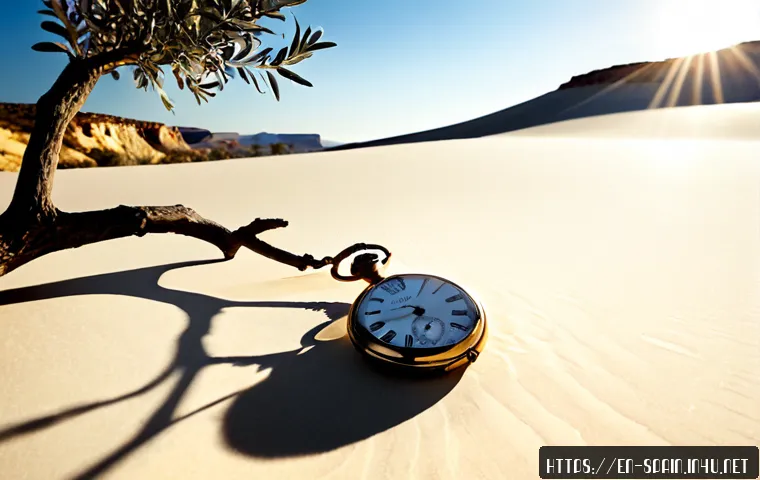
Salvador Dalí’s Surrealist art is easiest to understand by looking at what is painted, how realistically it is painted, and which images return across his work—not by searching for one hidden answer.

His melting watches, distorted forms, and empty landscapes invite interpretation, but their exact meaning is not always documented. For a first encounter, a museum visit offers the strongest sense of scale and technique, while an exhibition catalog or introductory art book is often better for slow study.
If you are choosing a print or poster, verify the seller’s description and documentation before assuming it is authorized or limited. Dalí worked in far more than painting, so films, objects, design, and writing can broaden the experience beyond the famous clocks.
The best choice depends on whether you want to learn, travel, decorate, or begin collecting responsibly.
At a Glance
- Dalí used precise, realistic-looking technique to make dreamlike and irrational scenes feel convincing.
- Recurring motifs can guide close looking, but they do not provide one fixed code for every painting.
- Choose a museum, catalog, book, print, or guided experience based on whether you need direct viewing, research, or decoration.
| Option | Best Use Case | What It Can Offer | Buying or Planning Check |
|---|---|---|---|
| Museum Visit | First-time viewers and travelers | Scale, surface detail, and the relationship between works | Confirm current collection access, opening information, and ticket conditions |
| Exhibition Catalog | Focused research on a specific exhibition or group of works | Images, curatorial context, and work-by-work references | Check the exhibition, publication date, and included artists or works |
| Introductory Art Book | Readers building a broad foundation | Accessible overview of Surrealism, biography, and major works | Look for clear image captions, dates, and discussion of sources |
| Authorized Print or Poster | Home decoration or gift buying | A visual reminder of a favorite work without claiming ownership of an original | Verify seller information, edition details, image source, and authorization claims |
The Fast Way to Read Dalí’s Dreamlike Images
Start with what is visibly painted before assigning meaning
Begin with description. What objects are present? How are they arranged? Is the setting open, crowded, bright, shadowed, smooth, or damaged? This simple first step prevents a common mistake: treating a familiar Dalí image as if its meaning were already settled.
For example, soft watches may immediately suggest time, but the visible facts come first: they bend, droop, and appear in an otherwise believable painted environment. From there, you can consider possible associations without turning a possibility into a certainty. A good museum label, catalog entry, or art-history book can help distinguish documented context from personal response.
Why realism makes the impossible feel more unsettling
Dalí’s Surrealist images often feel strange because the painted surfaces can look highly controlled. A carefully rendered object appears beside an irrational combination, a distorted body, or a landscape that does not behave like ordinary space. Technical precision and visual instability work together.
This is useful when comparing originals, exhibition reproductions, and art prints. A museum visit can reveal surface, scale, and small transitions of paint that a screen image may flatten. A high-quality art book or exhibition catalog can still be valuable when travel is not practical, especially if it provides detailed captions and close-up images.
Three-line summary for first-time viewers
Look first: identify the objects, setting, and composition.
Compare next: notice what looks ordinary and what has become impossible.
Interpret carefully: use context and repeated motifs, but leave room for ambiguity.
The Ideas Behind His Surrealist Approach
Dreams, irrational association, and the unconscious
Dalí was a Spanish artist associated with the Surrealist movement. Surrealism explored dreams, the unconscious, irrational association, and unexpected visual combinations. Rather than presenting a neat story, a Surrealist work may place unrelated-looking images together and allow tension to remain unresolved.
That is why Dalí can reward slow viewing. The goal is not always to solve a puzzle. Sometimes the important experience is recognizing how an image disrupts ordinary logic while still looking intensely specific.
The paranoiac-critical method and double images
Dalí described his approach as the “paranoiac-critical method.” It was a way of generating multiple interpretations from ambiguous images. A form may appear to be one thing at first glance and suggest another on closer inspection. The viewer becomes active, moving between possible readings rather than receiving a single answer.
When choosing a guided museum visit or art-learning experience, look for one that encourages observation and comparison. A useful guide should explain visible details, dates, medium, and context before presenting dramatic claims about symbolism.
Where psychoanalytic interpretations help—and where they can overreach
Dalí’s work was influenced by psychoanalytic ideas that circulated widely in early twentieth-century European culture. That context can help explain why dreams, desire, anxiety, memory, and unstable forms are relevant topics for discussion.
However, psychoanalytic language should not become a shortcut. Not every object has one documented personal meaning. If a book, tour description, or product listing presents a complete “symbol dictionary” for all Dalí imagery, treat it cautiously. The strongest interpretation connects a specific work to available context instead of claiming certainty where evidence is missing.
Key Works and Recurring Motifs to Recognize
Melting watches, distorted bodies, landscapes, and shadows
Recurring images are useful anchors when exploring Dalí: melting watches, altered bodies, isolated landscapes, sharply defined objects, and dramatic shadows. These motifs can help you compare works across different dates and media, but repetition does not automatically prove an identical meaning each time.
Try asking practical questions: Does the object appear solid or soft? Is it central or pushed to the edge? Does the landscape create calm, distance, or unease? How does a shadow change the apparent weight or scale of a form? This approach works better than memorizing symbolic answers.
The Persistence of Memory as a starting point, not the whole story
The Persistence of Memory, painted in 1931, is among Dalí’s best-known works and includes soft, melting watches. It is an excellent starting point because it makes several features of his art visible at once: precision, dreamlike transformation, ambiguity, and a quiet but unsettling setting.
It should not be treated as a complete summary of his career. Dalí worked across painting, drawing, film, sculpture, design, writing, and performance. A broader view makes it easier to see how his interest in images, objects, staging, and visual surprise moved between formats.
How to compare paintings, films, objects, and design work
Compare media by asking what each one can do. A painting freezes a moment for extended looking. Film can create shock through sequence, movement, and sudden association. Dalí collaborated with filmmaker Luis Buñuel on Un Chien Andalou and L’Age d’Or, two films that extend Surrealist disruption beyond a single framed image.
Sculpture and design can make an image occupy physical space, while writing and performance can turn artistic identity into part of the work. An introductory art book is often the simplest route for this wider overview; a catalog can be stronger when you want documentation related to a particular exhibition.
How to Explore Dalí Without Common Viewing Mistakes
Avoid treating every symbol as a fixed code
The biggest viewing mistake is assuming that every repeated object has one permanent translation. A clock is not automatically a complete explanation of time; an ant, landscape, or distorted figure is not automatically evidence of one universal meaning. Description, context, and uncertainty are better tools than overconfident decoding.

Your own reaction still matters. You can say that an image feels anxious, comic, precise, or uncomfortable. Just separate that personal response from claims about what Dalí definitely intended.
Check dates, medium, provenance notes, and collection information
When reading about a work or considering a reproduction, check the basic record. Look for the title, date, medium, collection information, and any provenance notes provided. These details help distinguish a well-documented artwork reference from a vague commercial listing.
Important collections of Dalí’s work can be found in museums in Spain and the United States. Before planning a museum trip, confirm which works are currently accessible, since exhibition schedules, loans, ticket prices, and collection displays can change.
Choosing between a museum visit, exhibition catalog, art book, or guided tour
Choose a museum visit when you want to see actual scale, brushwork, and the physical presence of works. Choose an exhibition catalog when you want a lasting record of a specific curatorial project. Choose an introductory art book when you need broad context and a manageable starting point.
Consider a guided tour when you prefer discussion, structured observation, and help connecting works. Review the tour description for its focus: a thoughtful experience should mention artists, works, or themes rather than promise to reveal every secret meaning.
Different Paths for Students, Travelers, and Home-Art Buyers
A study route for art-history learners
Start with Surrealism as a movement, then study Dalí’s approach to dreams, irrational associations, and multiple interpretation. Use The Persistence of Memory as one example, not the destination. Next, compare a painting with his film collaborations, design work, or sculpture to see how visual ideas changed across media.
For study materials, prioritize books and catalogs with clear captions, dates, medium information, and source-aware interpretation. These features make it easier to build notes without repeating unsupported claims.
A museum-planning route for travelers
First, decide whether your priority is seeing Dalí works in a larger museum collection or visiting an institution with a stronger focus on his art. Then check current access details before arranging transport or purchasing exhibition tickets. A museum visit is especially worthwhile if you want to judge scale and technique directly rather than only viewing images online.
Bring a small viewing plan: select a few works, spend longer with each, and write down what you actually see before reading interpretation. This can make a guided visit, audio experience, or gallery handout more useful.
What to check before buying posters, prints, or reproduction art
A Dalí-themed poster or reproduction print can be a decorative purchase, but do not assume it is authorized, limited, signed, or investment-grade without verification. Check the seller’s description, edition information, image source, documentation, return terms, and the exact wording used for authorization.
Be particularly careful with broad phrases such as “Dalí-style.” That label may describe an aesthetic resemblance rather than a work connected to Dalí. Decorative value and collector value are not the same thing. If you simply want wall art, choose the image and format you enjoy; if you are considering a collectible, documentation matters much more.
Selection Criteria and Comparison Summary
Choose a museum visit if seeing original scale, texture, and technique matters most. Choose an exhibition catalog if you want a work-by-work reference tied to a particular show. Choose an introductory art book if you want broad context before investing more time in a single period or theme.
Choose a guided visit if you learn best through questions and comparison. Consider an authorized print or poster if your goal is decoration or gifting, but verify edition and authorization language before treating it as a collectible. Before spending money, check dates, collection access, ticket terms, publication details, and seller documentation. For current conditions, review the official information and full product details on the relevant page.
Closing Thoughts
Dalí’s art remains compelling because it does not behave like an ordinary visual message. It looks precise while resisting ordinary logic. The most rewarding approach is to look closely, use reliable context, and avoid forcing every detail into a fixed symbolic answer.
Whether you choose a museum visit, an art book, an exhibition catalog, or a reproduction print, select the format that matches your purpose. A thoughtful choice can turn the famous melting clocks into the beginning of a broader exploration.
Useful Things to Know
1. A repeated motif is a clue for comparison, not automatic proof of one meaning.
2. Dalí’s work extends beyond painting into film, sculpture, design, writing, and performance.
3. Museum displays and exhibition schedules can change, so confirm access before travel.
4. A poster, reproduction, and collectible print may have very different documentation and market claims.
Important Notes
The exact personal meaning of every Dalí symbol cannot be assumed without documented context for a specific work. Current ticket prices, exhibition availability, collection access, and product authorization claims require direct verification. A seller’s description alone does not establish that a print is limited, authorized, or suitable as an investment.
Frequently Asked Questions
Q1. What is the best Salvador Dalí painting to start with?
A1. The Persistence of Memory is a practical starting point because it was painted in 1931, includes Dalí’s well-known melting watches, and clearly shows his combination of realistic technique and dreamlike imagery. It is best treated as an introduction rather than a complete definition of his work.
Q2. Are Dalí’s melting clocks meant to represent time?
A2. They naturally invite thoughts about time because they are watches shown as soft and distorted. However, it is safer not to claim one final meaning without specific documented context. Start with what is visibly painted, then compare interpretations from reliable museum or publication sources.
Q3. Is it better to buy a Dalí exhibition catalog, art book, or reproduction print?
A3. Choose a catalog for focused exhibition research, an introductory art book for broader learning, and a reproduction print for decoration or gifting. If you are evaluating a print as a collectible, verify the seller’s documentation, edition information, and authorization claims before buying.